


Philosophers have spent centuries debating what it means to be alive and what truly governs our choices and actions, but one thing that is beyond debate is that our skeletons themselves are alive.
Far from being the rigid framework on display in the corner of a science lab or a doctor’s office, bones are made of dynamic tissue that is continually being broken down and rebuilt.
This lifelong renewal process, known as bone remodeling, helps repair everyday microscopic damage, preventing it from accumulating and causing structural failure.
Our bones respond to the physical demands placed on them. When we exercise or apply appropriate loads to our skeleton, bone cells detect these mechanical forces and help coordinate adaptive remodeling. Over time, regular weight-bearing and resistance exercise can help maintain or improve bone strength and density.
Bone also acts as the body’s primary storage bank for vital minerals like calcium and phosphorus. The remodeling process releases these minerals into the bloodstream when other essential functions need them.
Understanding all this changes how we think about bone health. By caring for your skeleton, you can help protect against the development of weak, brittle bones commonly associated with aging.
Does Bone Remodeling Happen Throughout Life?
From childhood through older adulthood, specialized cells work together to renew bone. Osteoclasts remove old or damaged tissue through a process called resorption. Osteoblasts then form new tissue in its place, while osteocytes help coordinate this activity in response to the demands placed on the skeleton.
These cellular mechanics help explain how bones grow, heal, and adapt. During childhood and adolescence, the body creates new bone faster than it removes old tissue. This enables the skeleton to grow in size, strength, and mass. According to the National Institute of Arthritis and Musculoskeletal and Skin Diseases, bone mass usually peaks between ages 25 and 30.
Remodeling continues after peak bone mass is reached, but the balance shifts. As we grow older, bone may be removed faster than it is replaced, contributing to bone loss over time. Hormonal changes, nutrition, physical activity, certain medications, and other health factors can all influence this balance.
Bones Respond to Your Lifestyle
The skeletal system does more than hold the body upright. It protects organs, stores minerals, encapsulates bone marrow, connects to muscles, and enables movement. Its response to mechanical loading helps maintain bone density (although the appropriate type and intensity of activity will vary by individual)
This adaptability reflects the principle of regenerative health: the body is not necessarily wearing down with time. It continually responds to its environment, repairs damage, and works to maintain itself.
How to Support the Body’s Natural Regenerative Processes and Age Powerfully
Aging powerfully begins by recognizing that longevity is about more than adding years to your life. It is about preserving your ability to move, remain independent, and fully participate in the activities you enjoy.
Supporting skeletal longevity requires a holistic approach involving exercise; adequate vitamin D, calcium, protein, vitamin K, magnesium, and potassium; and healthy habits such as getting sufficient sleep, managing stress, not smoking, and limiting alcohol consumption.
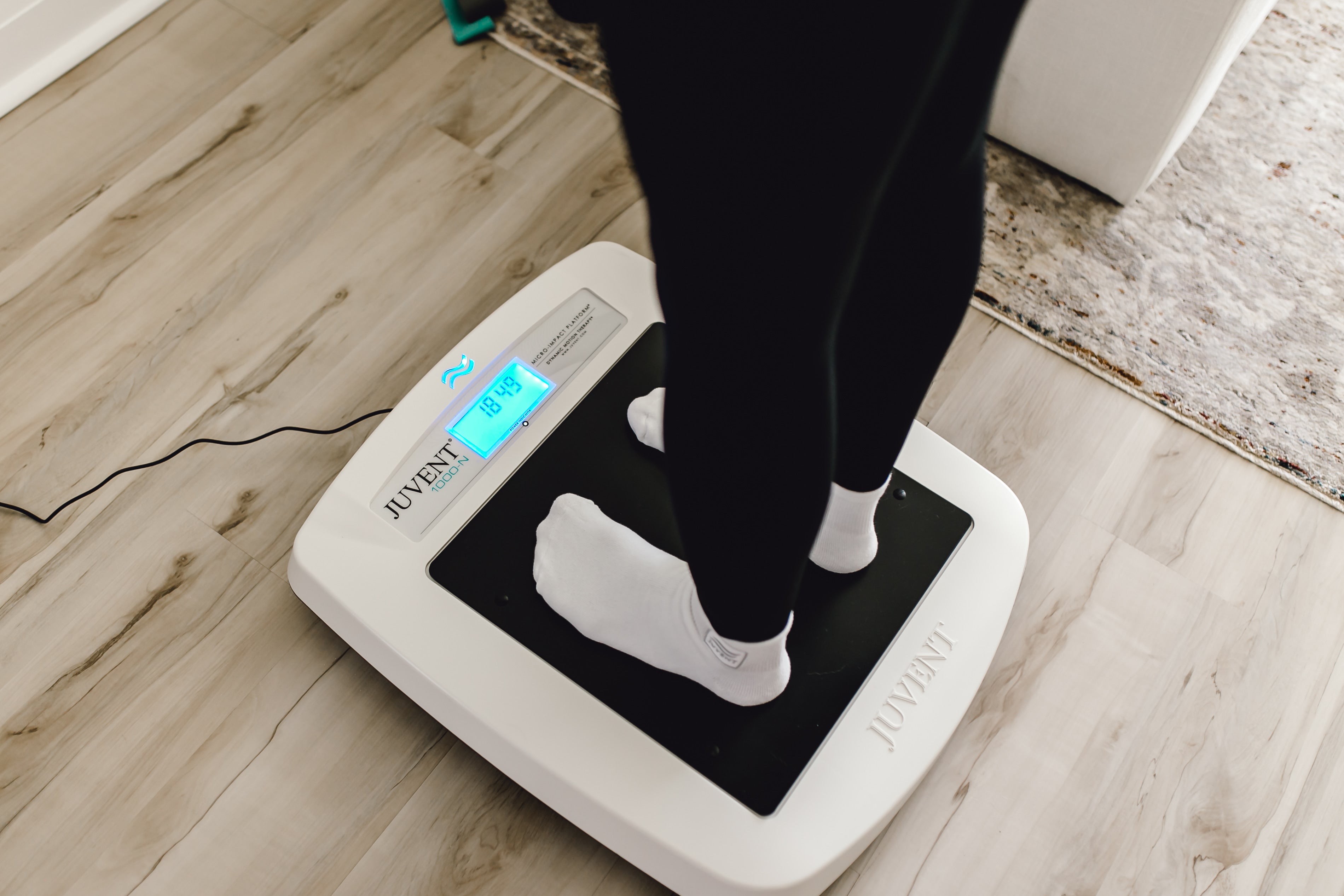
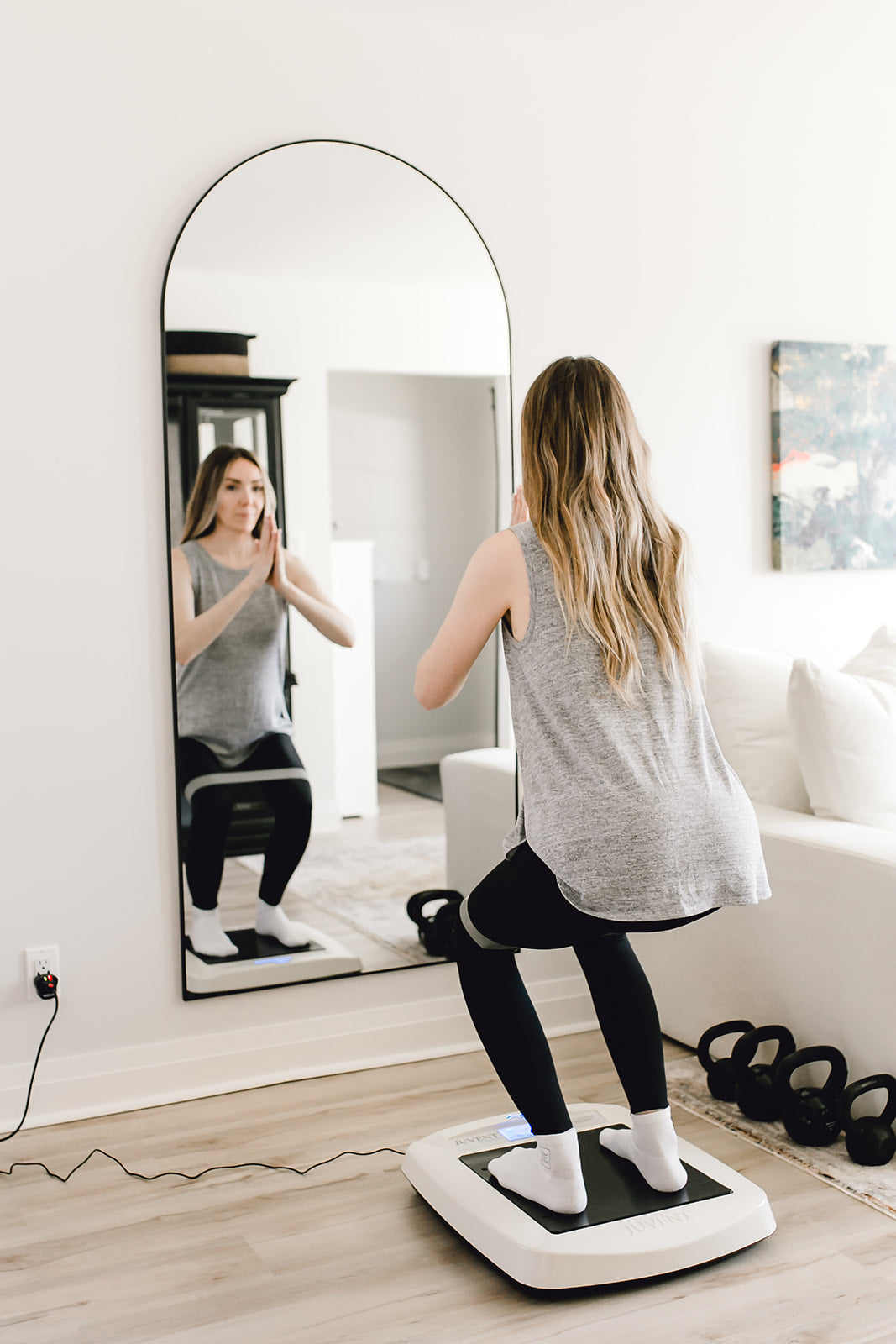
Longevity can also be supported by simulated mechanical loading that mimics low-impact exercise. This is the principle behind the development of Juvent’s patented Micro-Impact Platform®. This innovative approach to mechanical loading uses Low-Magnitude Mechanical Stimulation (LMMS) to deliver gentle, high-frequency micro-pulses through the feet and into the musculoskeletal system.
Through a biological process called mechanotransduction, cells detect these subtle mechanical signals and translate them into biochemical activity. This communication helps support the natural cellular processes involved in skeletal adaptation and remodeling, in turn supporting bone health and bone density. To understand how a vibration plate for osteoporosis and bone health fits into this process, read our overview.
It’s important to note that rather than delivering the intense shaking associated with conventional whole-body vibration platforms, Juvent continually calibrates its signal to the user’s unique resonant frequency based on body composition.
Juvent’s technology reflects a natural approach to regenerative health: working with the body’s existing capacity to respond, adapt, and renew itself. Because your skeleton remains alive throughout your life, it is never too early to begin supporting it and never too late to make it a priority.
Aging is inevitable. How you prepare for it is not. Build your foundation now, remain active for what lies ahead, and age with power.
Learn more about our Micro-Impact Platform by consulting our FAQs page and contact our team for answers to your specific questions about bone health and skeletal longevity.
FDA Disclosure
In the US, the Juvent device is considered investigational for the treatment of osteoporosis or improvement/maintenance of bone mineral density, and our claims have not been reviewed or cleared by the FDA to treat any disease or condition. The JUVENT® Micro-Impact Platform® is registered as a Class I medical device for exercise and rehabilitation.
Sources:
-
Healthy Bones at Every Age [https://www.orthoinfo.org/staying-healthy/healthy-bones-at-every-age/]
-
Exercise for Your Bone Health [https://www.niams.nih.gov/health-topics/exercise-your-bone-health]
Get the latest insights and contents on all things bone and body health. Signup for our newsletter!
Share:
How Mechanical Stimulation Supports the Body’s Natural Regenerative Processes
Answering the Most Common Questions About Poor Circulation