


When the body’s communication pathways get their wires crossed and start sending mixed signals, tingling, numbness, burning sensations, muscle weakness, and unexplained pain can develop. Despite how common neuropathy is, many people get their wires crossed about the condition, leading to myths and misconceptions.
Peripheral nerve damage affects millions of people worldwide, but confusion about symptoms, causes, and management options often delays early intervention. If you’ve ever wondered “What is neuropathy?” separating fact from fiction can help you make more informed decisions about your health and wellness.
Myth #1: Only People With Diabetes Get Neuropathy
Diabetes is one of the leading causes of peripheral nerve damage, but it’s far from the only one. Many people who develop nerve-related symptoms have never had blood sugar problems.
In reality, what causes neuropathy can vary significantly from person to person. Physical injuries, autoimmune disorders, vitamin deficiencies, infections, alcohol misuse, thyroid disorders, chemotherapy, and exposure to toxins can all contribute to nerve damage. Certain hereditary conditions, such as Charcot-Marie-Tooth disease, which affects approximately one in 2,500 people worldwide, may also play a role.
Even chronic inflammation and circulatory problems can affect nerve health over time. In some cases, doctors cannot identify a clear cause, which is classified as idiopathic neuropathy.
Because symptoms may develop gradually, many people dismiss them until they begin interfering with balance, mobility, or their quality of life. That’s why persistent numbness, burning, or tingling sensations should never be ignored.
Myth #2: Nerve Damage Is Always Permanent
Another common misconception is that damaged nerves can never improve. While severe nerve injuries may become permanent, especially when left untreated for long periods, the nervous system is more adaptable than many people realize.
Peripheral nerves have some ability to regenerate and recover under the right conditions. The degree of recovery often depends on factors such as the severity of the damage, how quickly the underlying cause is addressed, and overall lifestyle habits.
For example, nerve damage related to vitamin deficiencies, compression injuries, or certain inflammatory conditions may improve when the root issue is corrected early. Research published by the National Institute of Neurological Disorders and Stroke notes that peripheral nerves can regenerate, though recovery varies depending on the extent and duration of the injury.
Healthy circulation, regular movement, balanced nutrition, and ongoing medical care may all play supportive roles in maintaining nerve health and managing symptoms over time.
Myth #3: It’s Just an Older Adult’s Condition
While age can increase the likelihood of developing nerve-related conditions, neuropathy does not exclusively affect seniors. Younger adults and even children can experience nerve dysfunction due to autoimmune conditions, trauma, infections, inherited disorders, or nutritional deficiencies. Small-fiber neuropathy, for example, sometimes appears in younger individuals and may produce significant discomfort even when traditional nerve tests appear normal.
Older adults are more frequently affected largely because chronic conditions associated with aging, including Type 2 diabetes and cardiovascular disease, become more common over time. Certain medications and reduced circulation may also contribute to increased risk.
Still, symptoms should never be dismissed solely on the basis of age. Persistent tingling, numbness, or burning sensations deserve proper medical evaluation, whether you’re 25 or 75.
Myth #4: Mild Symptoms Aren’t Serious
Occasional tingling in the hands or feet may seem harmless, but even mild symptoms can indicate early nerve dysfunction.
Research published in American Family Physician emphasizes that early recognition and treatment are important because untreated peripheral neuropathy may progress and lead to permanent nerve damage or complications affecting mobility and sensation.
Mild symptoms can also mask more serious underlying issues, including metabolic disorders, autoimmune disease, or circulatory problems.
Beyond discomfort, untreated nerve dysfunction may increase fall risk, impair balance, and reduce awareness of injuries, especially in the feet and lower legs.
Myth #5: Medication Is the Only Option
Many people assume prescription drugs are the only form of neuropathy treatment, but symptom management often benefits from a more comprehensive approach.
Lifestyle habits can play an important role in supporting circulation, reducing inflammation, and improving physical function. Gentle exercise, healthy nutrition, quitting smoking, stress management, and physical therapy can all contribute to a better quality of life.
Some individuals also pair complementary approaches, such as acupuncture and/or mindfulness practices, alongside physician-directed care plans.
What Is the Latest Treatment for Neuropathy?
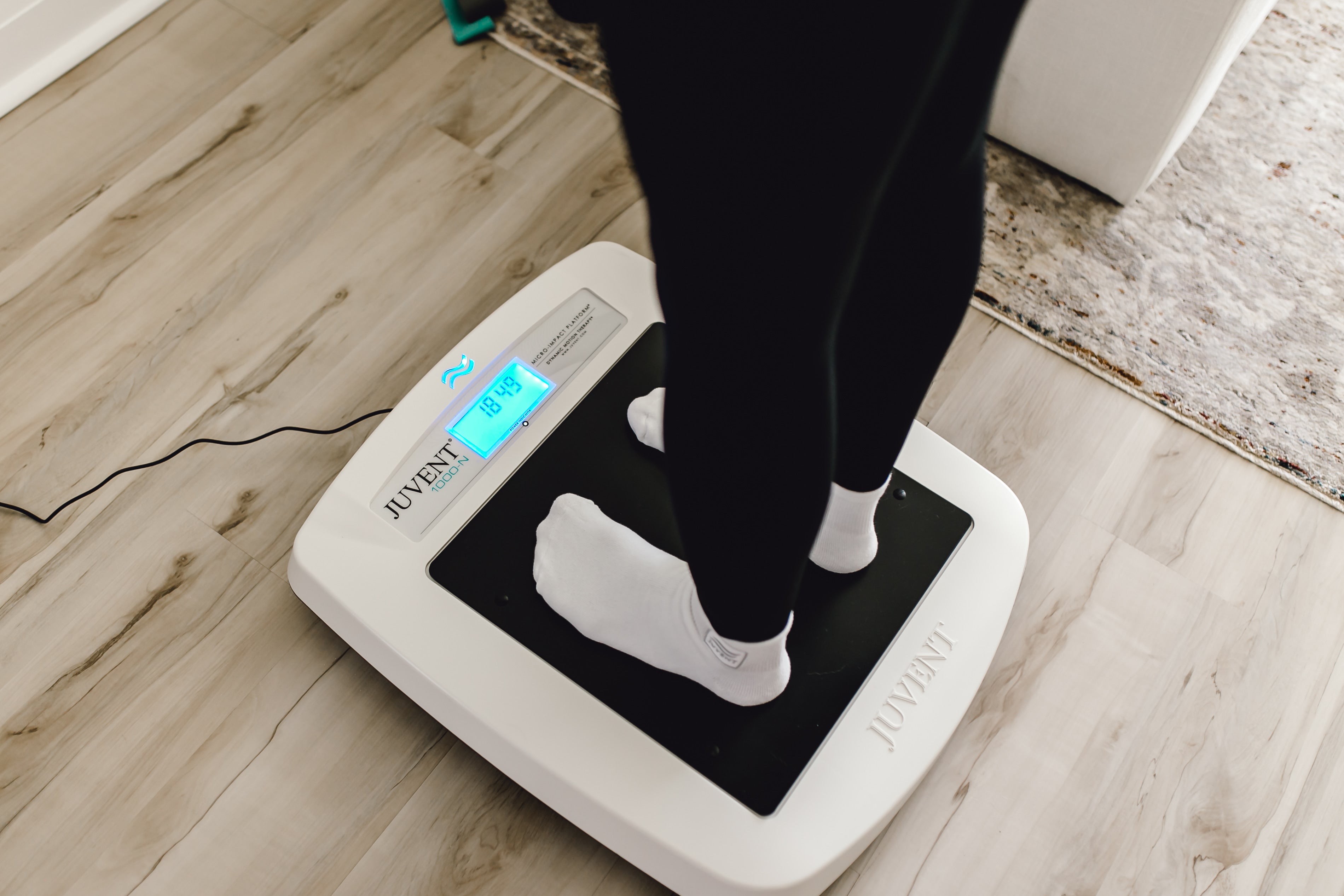
Emerging approaches to nerve wellness increasingly focus on non-invasive therapies designed to support circulation, mobility, balance, and neuromuscular function while minimizing physical strain on the body. One example of an easy intervention that can be integrated into daily home routines is Juvent’s Micro-Impact Platform®. The device delivers gentle, low-magnitude mechanical stimulation through subtle vertical vibrations. Unlike aggressive whole-body vibration systems, the platform is designed to produce low-intensity mechanical signals that may help support circulation and sensory stimulation in the lower extremities.
This process is associated with mechanotransduction, in which mechanical signals influence cellular activity and muscular responses. Gentle stimulation may encourage muscle activation, support lymphatic movement, promote healthier blood flow patterns throughout the feet and legs, and improve balance.
Importantly, non-invasive interventions are most effective when combined with professional medical guidance, healthy lifestyle habits, and early attention to symptoms.
While there is no universal cure for peripheral nerve damage, separating myths from evidence-based information can help you take proactive steps toward protecting your long-term nerve health.
Learn more about our Micro-Impact Platform by consulting our FAQs page or by getting in touch with our team at Juvent.
FDA Disclosure
In the US, the Juvent device is considered investigational for the treatment of osteoporosis or improvement/maintenance of bone mineral density and our claims have not been reviewed or cleared by the FDA to treat any disease or condition. The JUVENT® Micro-Impact Platform® is Registered as a Class I medical device for exercise and rehabilitation.
Sources
- Peripheral Neuropathy, National Institute of Neurological Disorders and Stroke. [https://www.ninds.nih.gov/health-information/disorders/peripheral-neuropathy]
- Effect of Various Exercise Protocols on Neuropathic Pain in Individuals with Type 2 Diabetes with Peripheral Neuropathy: A Systematic Review and Meta-Analysis, Diabetes & Metabolic Syndrome: Clinical Research & Reviews. [https://www.sciencedirect.com/science/article/abs/pii/S187140212200217X]
- Office Approach to Small Fiber Neuropathy, Cleveland Clinic Journal of Medicine. [https://www.ccjm.org/content/85/10/801]
- Peripheral Neuropathy: Evaluation and Differential Diagnosis, American Family Physician. [https://www.aafp.org/pubs/afp/issues/2020/1215/p732.html]
- Research Progress in Different Physical Therapies for Treating Peripheral Nerve Injuries, Frontiers in Neurology. [https://pmc.ncbi.nlm.nih.gov/articles/PMC12009707/]

Get the latest insights and contents on all things bone and body health. Signup for our newsletter!
Share:
Fiber, Fermented Foods, and Functional Movement: A Natural Approach to Digestive Support
The Top 5 Myths About Lymphatic Drainage