

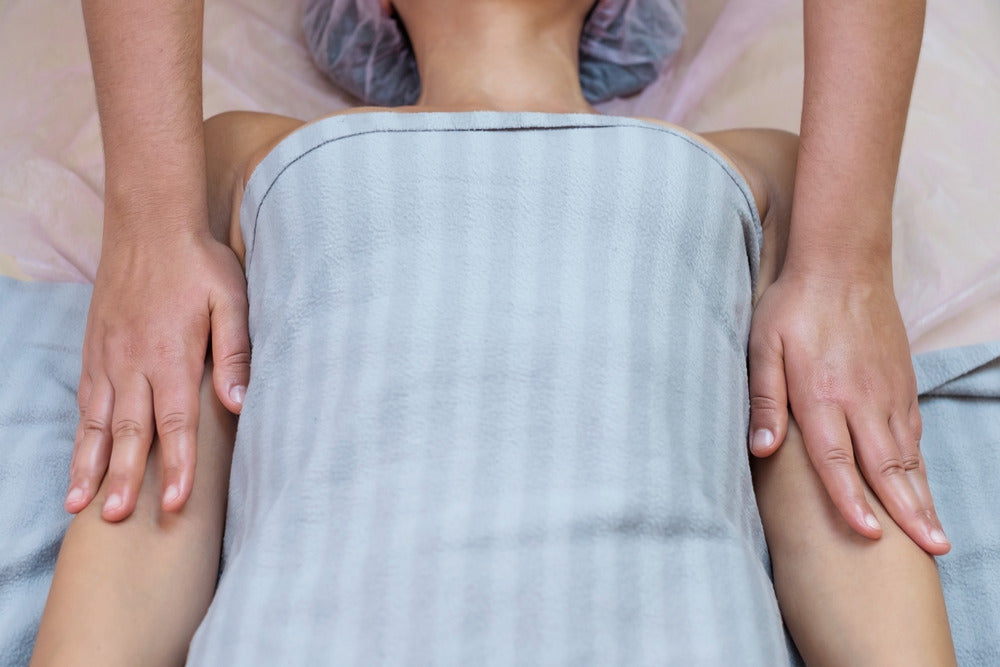
If you’ve been experiencing excessive fatigue despite adequate sleep and have noticed unexplained, persistent swelling in your arms or legs, this could be a sign that your lymphatic system is blocked or damaged, a condition known as lymphedema.
The lymphatic system is a multifunctional network that helps maintain fluid balance, supports immune defense, and transports waste products away from tissues. When this system becomes sluggish or compromised, fluid can build up in the body, leading to chronic lymphedema. Treatments often focus on improving fluid movement through techniques such as Manual Lymphatic Drainage (MLD), compression therapy, and physical movement.
Although awareness of these treatments has increased over the years, misinformation still surrounds lymphatic drainage. Questions like “is lymphatic drainage a myth?” and “is lymphatic drainage real?” continue to circulate, often fueled by exaggerated wellness claims and confusion about how the lymphatic system works.
What Is Lymphatic Drainage?
Lymphatic drainage is a gentle therapeutic technique designed to encourage the movement of lymph fluid through the body. Practitioners use soft, controlled movements to encourage lymph fluid to travel away from congested areas and back into normal circulation.
MLD is commonly used to support people recovering from surgery, living with lymphedema, or experiencing chronic swelling and circulation issues. Research suggests that manual lymphatic drainage may help improve quality of life and reduce swelling in some patients with lymphedema.
Is Lymphatic Drainage Scientifically Proven?
While social media trends sometimes oversimplify the treatment, lymphatic drainage itself is not pseudoscience. Medical professionals have used MLD for decades as part of Complete Decongestive Therapy (CDT), particularly for managing lymphedema and post-operative swelling. Scientific studies continue to explore its role in improving circulation, reducing fluid retention, and supporting mobility and comfort in individuals with compromised lymphatic function.
Let’s explore and debunk five common myths about lymphatic drainage to help you better understand this treatment and its potential benefits.
Myth #1: It Must Be Painful to Work
One of the most common misconceptions is that effective lymphatic massage requires deep pressure. In fact, proper MLD is very gentle. Because lymphatic vessels are located just beneath the skin, excessive pressure may disrupt healthy fluid flow rather than improve it.
The goal is not to “dig into” tissue but to create soft stretching motions that encourage fluid flow throughout the entire lymphatic network.
Myth #2: It Causes Major Weight Loss
Lymphatic drainage may temporarily reduce bloating and water retention, leaving people feeling lighter and less swollen, but it does not burn fat or permanently reduce body weight.
Any immediate reduction on the scale is typically related to fluid balance rather than fat loss. Sustainable weight management still depends on nutrition, movement, sleep, and overall metabolic health.
Myth #3: It’s Only Useful After Surgery
Although lymphatic drainage is widely used following cosmetic or orthopedic procedures, its use extends far beyond surgical recovery. People with circulation challenges, sedentary lifestyles, and mobility limitations may also benefit from therapies designed to support lymphatic flow.
Some individuals additionally report improvements in feelings of heaviness, stiffness, and general discomfort when incorporating supportive lymphatic therapies into their wellness routines.
Myth #4: Sweating During Treatment Means “Toxins” Are Leaving the Body
This myth often stems from misleading detox culture claims. While the lymphatic system does help transport waste products, the liver and kidneys remain the body’s primary detoxification organs.
Sweating itself is mainly a cooling mechanism. Lymphatic drainage supports fluid movement and circulation, but it should not be considered a magical “toxin flush” or cure-all cleanse.
Myth #5: It’s Just Another Wellness Trend
MLD is not just a trendy invention being touted by influencers or spas. It has a long clinical history and remains an established therapeutic approach in lymphedema care and rehabilitation settings worldwide.
Interest in lymphatic wellness may be increasing, but the science and therapeutic principles defining the practice have been studied and applied for decades.
How Juvent’s Micro-Impact Platform Supports Lymphatic Health
In addition to MLD, movement plays an important role in supporting circulation and fluid balance. At Juvent, we understand that for individuals who may struggle with mobility, discomfort, or chronic swelling, establishing and maintaining a daily physical exercise routine can be difficult.
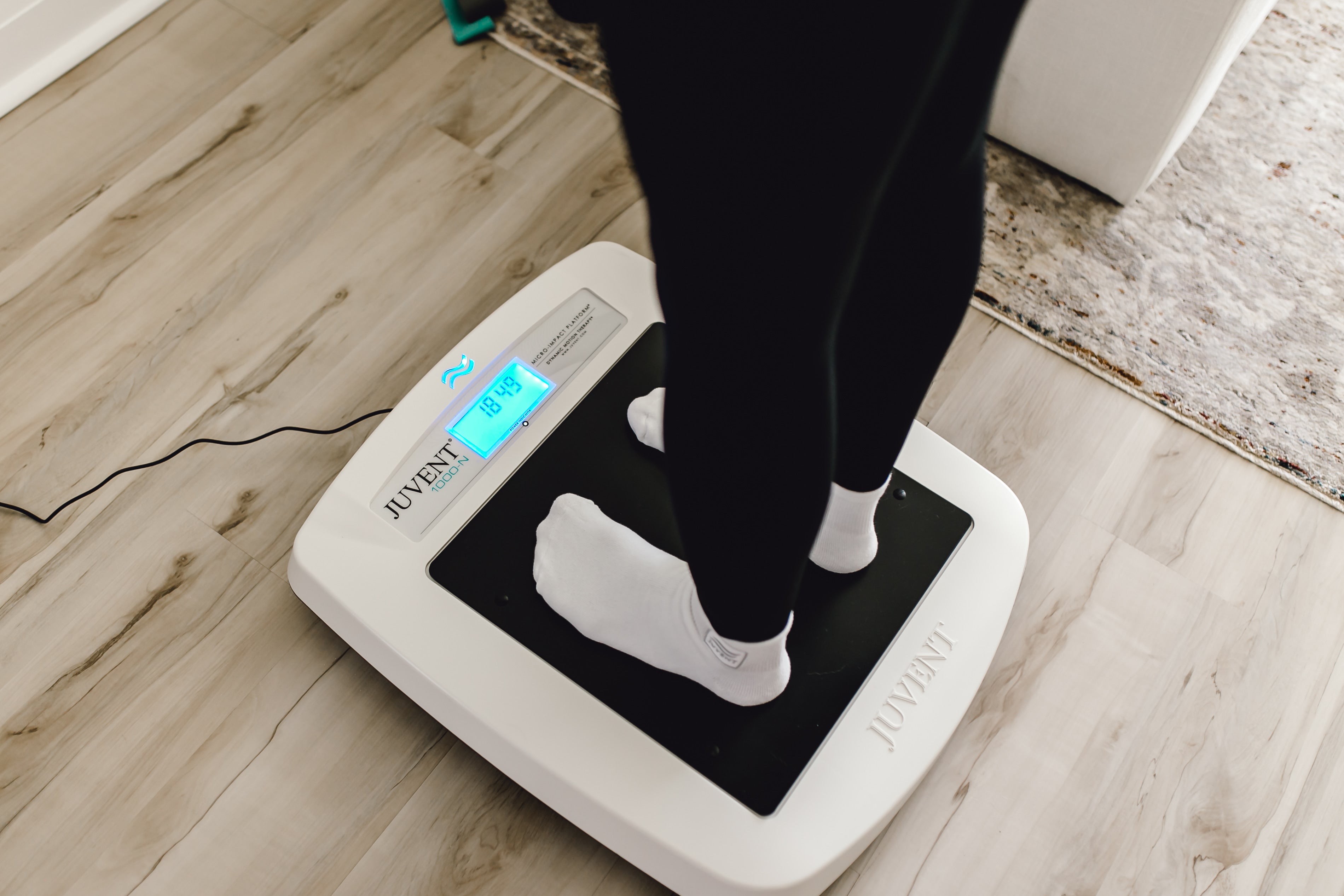
The Juvent Micro-Impact Platform® helps you achieve the daily movement your body needs, without strenuous physical exercise. The platform simulates low-impact exercise utilizing gentle, low-magnitude mechanical stimulation that encourages natural muscle activation and microcirculation. By stimulating subtle muscle contractions, the platform may help support the body’s natural “muscle pump,” which assists lymphatic and circulatory flow.
Potential supportive benefits may include:
-
Encouraging healthy circulation and fluid movement.
-
Helping reduce feelings of heaviness or stiffness in the lower extremities.
-
Supporting low-impact daily mobility routines.
-
Promoting gentle muscle activation without strenuous exercise.
The Juvent Micro-Impact Platform is an FDA-registered Class I medical device designed for daily wellness use. While it is not intended to diagnose, treat, cure, or prevent disease, it may serve as part of a wellness strategy focused on movement, circulation, and physical comfort.
If you're comparing options, you can read our guide to the best vibration plate for lymphatic drainage to learn what to look for in a gentle, calibrated platform. To learn more about the Juvent Micro-Impact Platform and how gentle daily movement may support overall wellness, visit our FAQs page or contact our team directly.
FDA Disclosure
In the US, the Juvent device is considered investigational for the treatment of osteoporosis or improvement/maintenance of bone mineral density and our claims have not been reviewed or cleared by the FDA to treat any disease or condition. The JUVENT® Micro-Impact Platform® is Registered as a Class I medical device for exercise and rehabilitation.
Sources
- "Manual Lymphatic Drainage and Quality of Life in Patients with Lymphoedema and Mixed Oedema: A Systematic Review of Randomised Controlled Trials", Quality of Life Research. [https://pmc.ncbi.nlm.nih.gov/articles/PMC5951867/]

Get the latest insights and contents on all things bone and body health. Signup for our newsletter!
Share:
The Top Five Myths about Neuropathy
The Connection Between Impact, Movement, and Bone Vitality – Explained Simply