


With the arrival of the warmer weather comes more opportunities to spend time outside. For those looking to support long-term bone health, this seasonal change is genuinely useful. Warmer weather opens the door to more exercise outdoors, which is one of the most effective things you can do for your bone health. But like any return to activity, easing into new routines carefully is key.
Here's how to use spring as a launchpad for stronger, healthier bones, and how advanced tools like Juvent's Micro-Impact Platform® can support this foundation year-round.
Why Spring Is a Smart Time to Prioritize Bone Health
Bone is living tissue. It constantly remodels itself by breaking down old tissue and building new, denser bone in its place. This process, driven largely by cells called osteoblasts, is stimulated by physical load. This is why sedentary periods, like those we often experience over the winter by spending time indoors, can work against bone density over time.
Research consistently shows that bone density exercises combining weight-bearing aerobic activity and progressive resistance training are the most effective approach to building and maintaining bone mass. Spring offers the perfect conditions to begin or renew both.
A few principles to keep in mind as you ramp up:
Start gradually. If you've been less active over winter, begin with low-impact options like brisk walking and build from there. Increase duration and intensity over several weeks, aiming for 20–30 minutes of weight-bearing exercise per session. Mixing up your activities also helps. Things like walking backward, taking new routes with stairs or inclines, or moving laterally can send fresh mechanical signals to bone tissue that routine movement does not.
How Many Days a Week Should You Do Bone Strengthening Activities?
For meaningful results, most guidelines, including those from the Royal Osteoporosis Society, recommend performing bone-strengthening exercises at least two to three days per week, with rest days in between to allow for recovery and adaptation. Spacing sessions out is important because bone remodeling happens during rest, not just during activity.
A balanced weekly approach might look like this: weight-bearing aerobic activity (walking, hiking, dancing) on most days, and dedicated resistance training targeting the legs, hips, spine, and upper body twice per week.
Working different muscle groups on different days allows you to meet frequency targets without overloading the same areas.
The key is consistency over intensity, especially when returning to activity after a less active period. According to the American College of Sports Medicine, progressive loading (gradually increasing the challenge of your workouts) is the most reliable way to continue stimulating bone adaptation over time.
What Are Five Exercises That Increase Bone Density?
Exercise for strong bones doesn't require a gym membership or complicated equipment. The most effective movements are ones that put meaningful, safe stress on the major bone sites most vulnerable to osteoporosis-related fractures: the hips, spine, and wrists.
Here are five evidence-supported exercises to incorporate this spring:
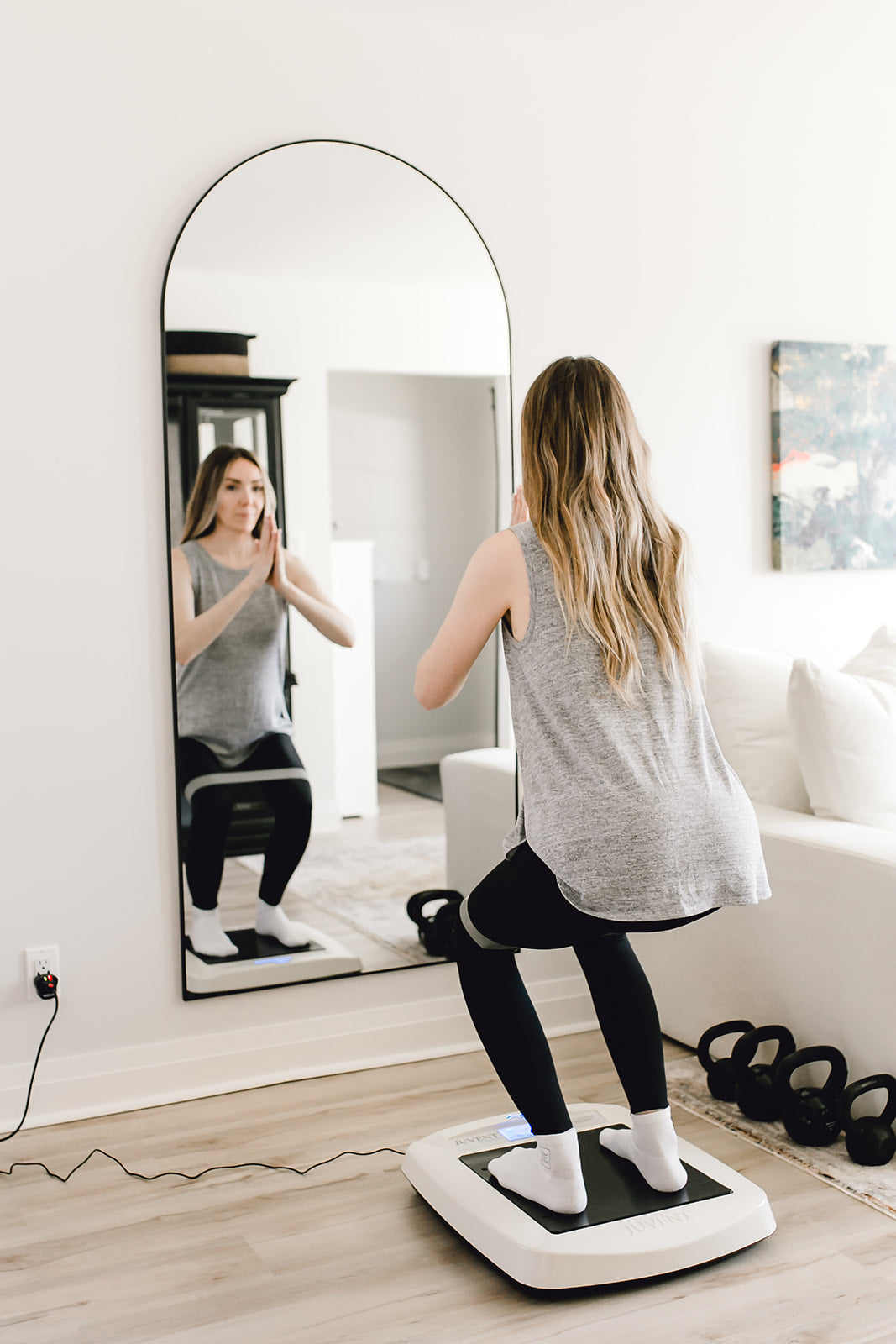
1. Squats (including goblet squats): This compound movement loads the hips, spine, and legs simultaneously. Squats are particularly valuable because they target the femoral neck, a common fracture site in older adults. Beginners can start with sit-to-stand from a chair and progress from there.
2. Deadlifts: Whether performed with dumbbells or a barbell, deadlifts strengthen the posterior chain (the back, glutes, and hamstrings), which directly support the spine and hip bones. Maintaining good form is essential; working with a trainer initially is worthwhile.
3. Lunges: Forward and walking lunges are dynamic, functional movements that challenge balance while loading the lower body. The multi-directional stress they generate can be particularly beneficial for bone density in the hip.
4. Shoulder Press (Overhead Press): The upper body is often overlooked in bone health conversations, but the wrists, forearms, and shoulders are vulnerable to fracture, especially in falls. Overhead pressing with dumbbells or resistance bands helps address this.
5. Jumping and Impact Exercises: High-impact moves like jumping rope, star jumps, or even simple stomping create ground reaction forces that are highly effective at stimulating bone remodeling in the legs and hips. For those who need a lower-impact option, lateral side stomps offer a gentler alternative that still delivers mechanical stimulus.
If you have existing osteoporosis, check with your healthcare provider before adding high-impact moves. Moderate-intensity resistance training with bands or light weights remains effective and is generally safer for fragile bone.
Supporting Bone Health Between Workouts
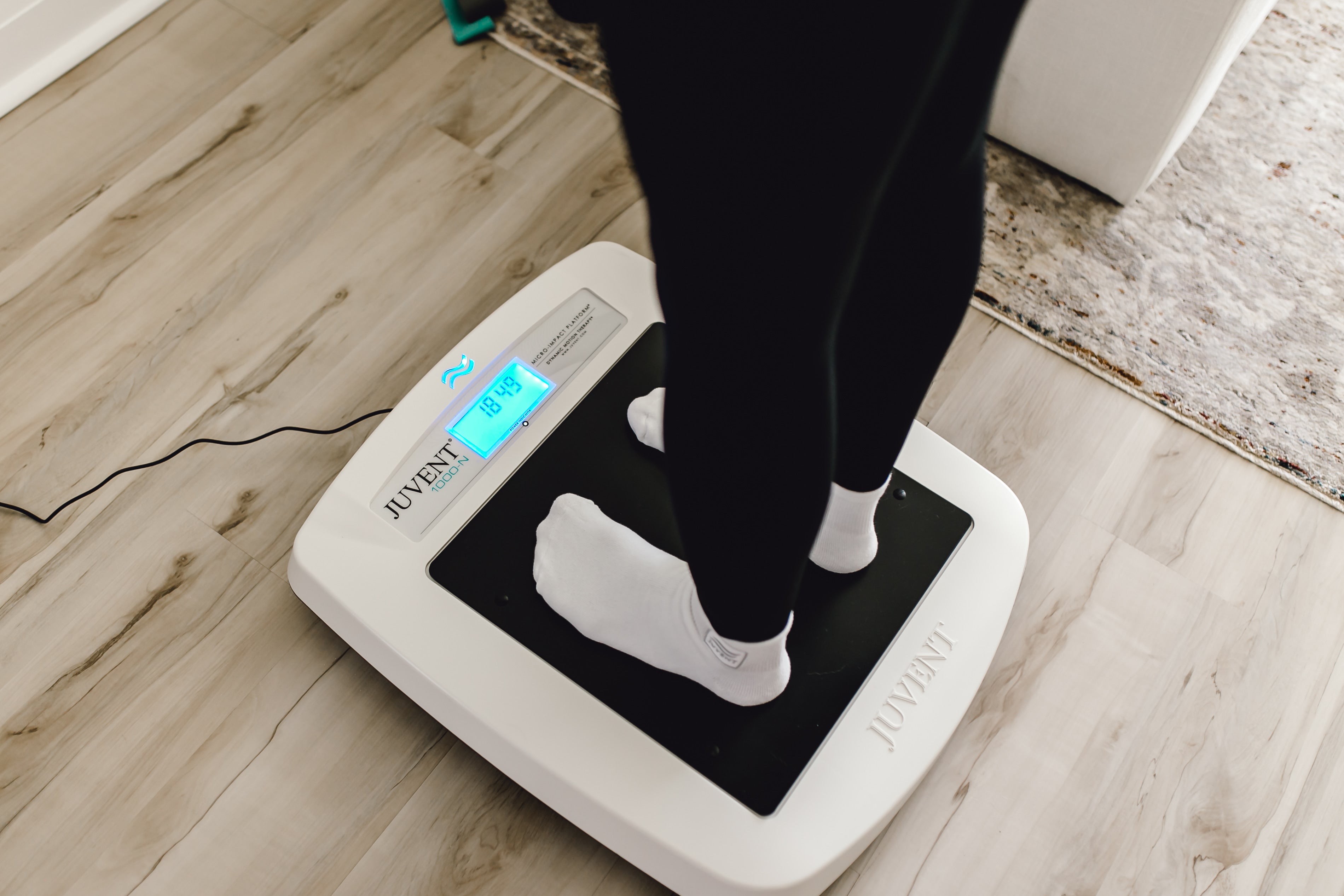
Exercises for bone strength form the cornerstone of any bone health plan, but the time between workouts also matters. This is where Juvent's Micro-Impact Platform offers a complementary approach.
The platform delivers low-magnitude mechanical signals (under 0.3G), at precise frequencies between 32Hz and 37Hz. These parameters are drawn from research into how bone-forming cells (osteoblasts) respond to mechanical stimulation. Unlike traditional whole-body vibration devices, which vary widely in frequency and magnitude and lack regulatory oversight, Juvent's platform delivers consistent, targeted signals tuned to your body's resonant frequency.
The gentle, repetitive micro-impacts are designed to support ongoing mechanical stimulation associated with osteoblast activity on the days between your walks, strength sessions, and outdoor activities. This is not a replacement for movement, but a tool that complements an active lifestyle. It requires minimal time (about 20 minutes per session) and no special fitness level to use, making it accessible for adults at every stage of their bone health journey. Simply stand on the platform, and the software will do the rest.
Building Momentum This Season
Spring is a great time to set the tone for your bone health through the rest of the year. A mix of brisk outdoor walks, progressive resistance training, balance work, and tools like the Juvent Micro-Impact Platform can support the kind of consistent, varied mechanical stimulation that bone tissue responds to.
With the right approach and a gradual return to activity, spring can mark the beginning of a wellness plan that makes the most of this, the season of rebirth, renewal, and rejuvenation.
Learn more about the Juvent Micro-Impact Platform by consulting our FAQs page and contacting our team to learn more about the rental program available to those who want to try before they buy.
FDA Disclosure
In the US, the Juvent device is considered investigational for the treatment of osteoporosis or improvement/maintenance of bone mineral density and our claims have not been reviewed or cleared by the FDA to treat any disease or condition. The JUVENT® Micro-Impact Platform® is registered as a Class I medical device for exercise and rehabilitation.
Get the latest insights and contents on all things bone and body health. Signup for our newsletter!
Share:
Why Menstrual Health is Essential to Bone Health. Too Much Exercise Can Be Harmful
Understanding Good Pain vs. Bad Pain: What Your Body Is Trying to Tell You