


While a crisp winter day can look lovely when you’re peering out your kitchen window, for people who battle chronic pain, the cold weather can increase aches and muscle stiffness, limiting joint motion and taking a serious toll on their energy and overall mobility.
You’ve probably heard someone complain about body pain due to cold weather and wondered if the two were indeed correlated. In fact, cold weather can make aches and pains feel worse.
If you’re someone who suffers from back pain or knee pain in cold weather, winter does not need to derail your daily plans. There are things you can do to reduce this pain naturally, so when the snow arrives, you can welcome it with open arms instead of worrying about the way your knee will feel about it. Read on to learn about easy-to-implement remedies for leg pain due to cold weather.
Cold Weather and Joint Pain: What’s the Connection?
Cold weather is detected by sensors in your skin, which then send a message to your brain to constrict your blood vessels to conserve heat. While restricted blood vessels help maintain your core temperature, the process reduces the healthy delivery of oxygen and nutrients your body’s tissues need, making your muscles and joints feel stiff and achy.
Cold temperatures also alter the synovial fluid that surrounds and cushions your joints. This fluid becomes thicker in colder conditions, making movement feel restricted and uncomfortable. A drop in atmospheric pressure can further intensify pain by causing tissues to expand, putting pressure on nerves and joints, and aggravating conditions like arthritis.
Along with the negative physiological impacts of cold weather on muscles, joints, and tissues, it can also discourage you from venturing outdoors, reducing the amount of exercise you get, increasing muscle weakness over time, and reducing the lubrication your joints need to move smoothly. Ironically, avoiding movement and exercise due to pain can, in fact, exacerbate pain.
Collateral Conditions That Can Worsen Chronic Pain
Just as avoiding exercise due to pain can lead to an unhealthy cycle of increased pain, not getting enough sleep can trigger a loop of negative consequences. A disruption in your sleep patterns can create a cycle in which your symptoms intensify. At the same time, increased pain prevents restful sleep. Practicing relaxation techniques before bed can help maintain healthy circadian rhythms by improving quality and consistency. And don’t forget about the power of a warm, comfy blanket, along with the right pillows or cushion supports for comfortable positioning.
Stress can also play a role in elevating pain symptoms during the colder months. Studies say stress can increase chronic pain by influencing how we perceive it and how our bodies respond to it. For some people, the colder weather and darker months can increase stress levels, which in turn can affect sleep!
Bear in mind that your hands and feet are particularly vulnerable to the cold, especially if you already struggle with poor circulation. In winter, reduced blood flow to the extremities can lead to aching muscles and increased nerve sensitivity.
How Do I Stop My Body From Hurting in Cold Weather?
Your first step in beating the cold weather is to dress in layers when you’re indoors, while keeping a heating pad or hot water bottle nearby. Be sure to wear a thick scarf and warm gloves when going outside.
Hydration is also important. People tend to drink less water in winter, which can worsen joint and muscle pain. Prioritize drinking water throughout the day to keep joints lubricated and your muscles functioning, especially before, during, and after exercise.
Try to maintain a diet rich in anti-inflammatory foods, such as omega-3 fatty acids and dark leafy greens, and limit your caffeine and alcohol intake, as caffeine is a diuretic and alcohol can disrupt your sleep, increase inflammation, and heighten pain sensitivity.
How Gentle Movement Can Reduce Pain Worsened by the Cold
Staying active is a powerful, natural way to reduce chronic pain, particularly during the colder months. Regular movement increases blood flow, reduces inflammation, improves joint lubrication, and builds strength and flexibility.
Walking is an ideal activity in this regard. Regular walking improves your circulation and joint flexibility without putting too much stress on your joints. Yoga and stretching that combine controlled breathing with gentle movement can enhance flexibility and balance and reduce stress-related symptoms. Resistance training helps improve stability and strength, and tai chi, with its slow, flowing movements, can help improve balance and body awareness, which can be beneficial for fibromyalgia and back pain.
With just a few small adjustments to your daily habits, you can keep joints and muscles functioning properly in colder conditions and chronic pain at bay.
How the Juvent Micro-Impact Platform Can Support Your Health
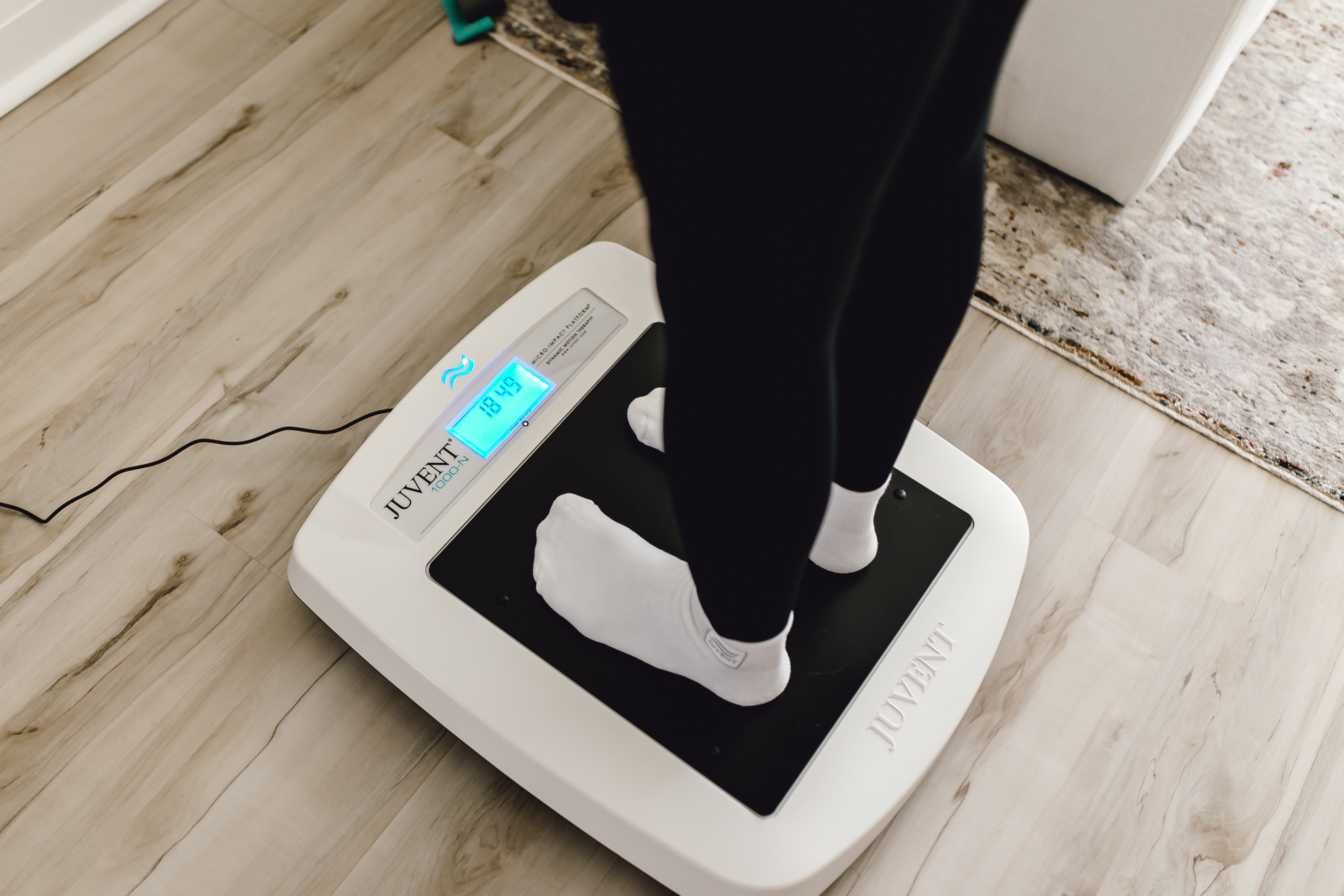
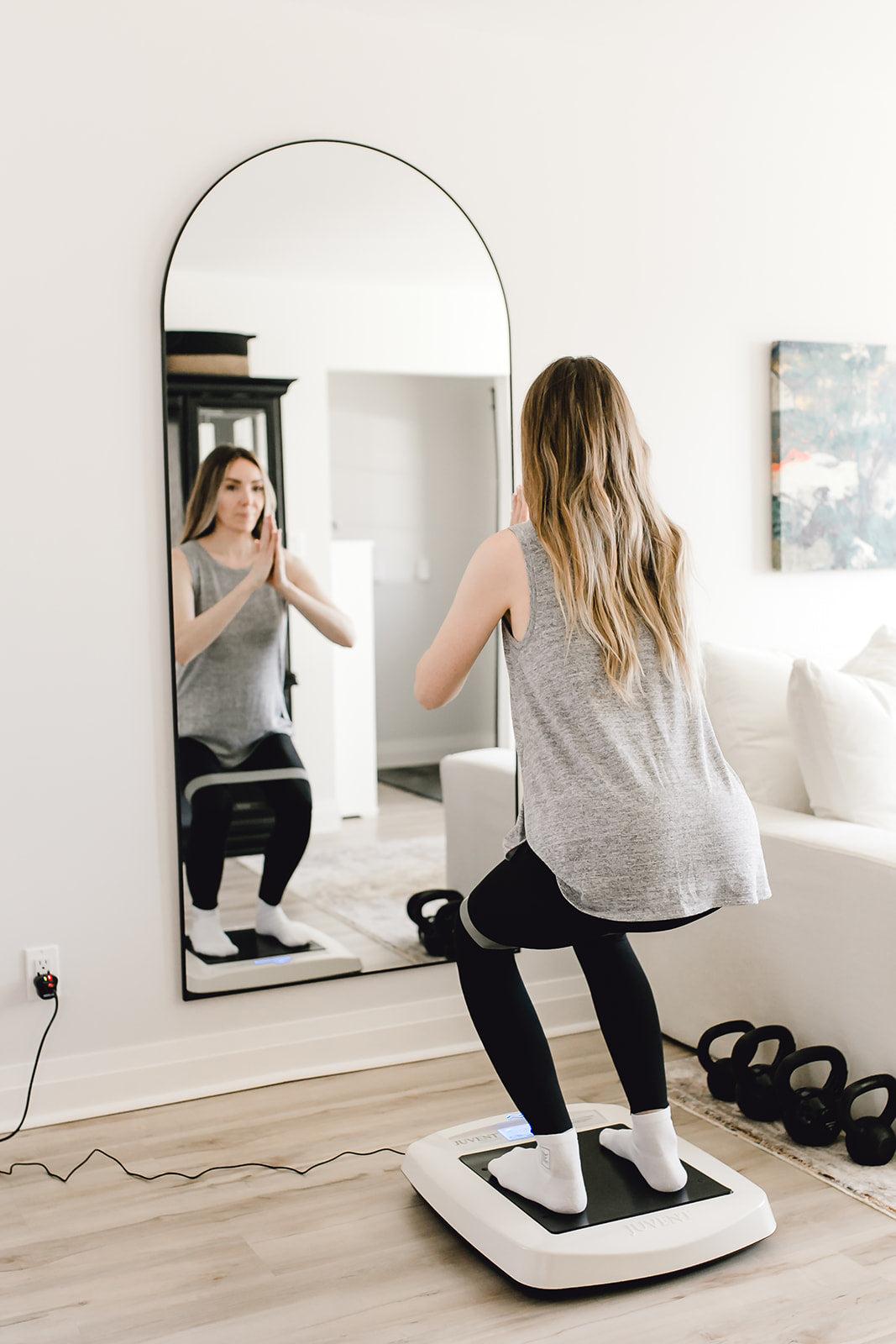
For many people, the hardest part about managing pain in the colder weather is getting enough exercise when their joints are already feeling stiff and sensitive. This is where the Juvent Micro-Impact Platform® fits naturally into your daily routines.
Using low-magnitude mechanical stimulation (LMMS), Juvent delivers gentle, precisely calibrated micro-impacts to your bones, joints, and muscles as you stand in place. It is the product of over 25 years of clinical research and has been shown to promote circulation and lymphatic flow, reduce chronic pain, and improve bone health, balance, and strength. Just 20 minutes per day on the Juvent is all you need to simulate gentle exercise and deliver the benefits of a leisurely walk.
When the weather is cold and outdoor activities feel more daunting, you can pull your Juvent platform out from under your bed or from a closet and get all the benefits of movement that your body needs without stepping out the front door.
Learn more about the Juvent Micro-Impact Platform on our FAQs page, or get in touch for information on rental opportunities. You can also purchase your Juvent directly and take advantage of financing options and FSA/HAS savings.
FDA Disclosure
In the US, the Juvent device is considered investigational for the treatment of osteoporosis or improvement/maintenance of bone mineral density and our claims have not been reviewed or cleared by the FDA to treat any disease or condition. The JUVENT® Micro-Impact Platform® is Registered as a Class I medical device for exercise and rehabilitation.
Get the latest insights and contents on all things bone and body health. Signup for our newsletter!
Share:
What Is Choline? What It Does for Your Body, and Why Needs Change After 45