


Chronic joint pain is more than the discomfort it creates; it is a deeply exhausting and confusing condition. Often the symptom of an underlying cause, it can lead to unrelenting mental and physical fatigue.
If you’re someone battling chronic joint pain, you probably have many questions about its causes and today’s most suitable treatments. To help you sort through fact and fiction, we’ve provided the answers to some of the most common questions about chronic joint pain.
What Is Chronic Joint Pain?
Chronic joint pain is defined as persistent joint discomfort or inflammation lasting for three months or more. It can affect one joint or several and may range from a dull ache to severe pain that interferes with your mobility and daily quality of life.
In many cases, chronic joint pain is associated with conditions such as osteoarthritis, rheumatoid arthritis, gout, or fibromyalgia. Some people experience intermittent flare-ups, while others have ongoing symptoms that gradually worsen.
When it comes to managing your symptoms, healthcare providers often recommend a combination of approaches. This can include low-impact movement and physical therapy, keeping your weight within a healthy range, and anti-inflammatory medications when appropriate. Persistent pain, especially when accompanied by swelling, redness, warmth, or tenderness, should be evaluated by a healthcare professional to rule out serious conditions and to develop a tailored management plan.
What Can Cause Chronic Joint Pain?
There is no single cause of chronic joint pain. Often it is multifactorial, and can be the result of compounding contributors, such as:
-
Age
-
Inflammation
-
Previous injuries
-
Lifestyle factors
-
Underlying medical conditions
Osteoarthritis remains one of the most common causes of chronic joint pain. Often described as “wear-and-tear” arthritis, osteoarthritis occurs when cartilage gradually wears down, reducing the cushioning between bones. This can lead to stiffness, pain, and reduced mobility, particularly in weight-bearing joints such as the knees and hips.
Chronic tendon or ligament injuries may also contribute to long-term pain. Repetitive movements associated with sports, physically demanding jobs, or overuse injuries can create persistent inflammation in surrounding tissues. Conditions like tendonitis and bursitis frequently fall into this category.
Other contributors include gout, which develops when uric acid crystals accumulate in the joints, and autoimmune conditions such as lupus, which can trigger widespread inflammation throughout the body. Fibromyalgia may also produce widespread musculoskeletal pain that many people perceive within the joints themselves.
What Is the Best Thing to Take for Joint Pain and Inflammation?
The answer to this question depends on the cause, severity, and duration of your symptoms. You should always consult your particular issues and needs with a trusted healthcare provider.
For mild to moderate discomfort, healthcare providers commonly recommend nonsteroidal anti-inflammatory drugs (NSAIDs) such as ibuprofen or naproxen. These medications help reduce both pain and inflammation and are often first-line choices for temporary symptom relief.
Topical anti-inflammatory gels can also provide relief for joints near the skin surface, such as the knees and hands. Diclofenac-based products are commonly recommended because they deliver medication directly to the affected area and may reduce certain systemic side effects associated with oral medications.
In more advanced or inflammatory cases, such as autoimmune conditions or rheumatoid arthritis, physicians may prescribe stronger NSAIDs (for quick relief from pain and stiffness), corticosteroids, or disease-modifying antirheumatic drugs (DMARDs).
It is important to remember, however, that even commonly used medications can carry risks. Long-term NSAID use, for example, has been shown to contribute to stomach irritation or increase cardiovascular and kidney-related concerns. Because of this, anyone looking into chronic joint pain treatment options should consult their healthcare provider to determine the safest and most appropriate plan for their individual needs.
How Do You Treat Chronic Joint Pain?
People struggling with ongoing discomfort often want to know how to treat chronic joint pain beyond temporary symptom management. Most healthcare professionals agree that a multimodal approach produces the best long-term outcomes.
Physical therapy is frequently one of the most valuable starting points. A trained therapist can assess posture, joint mechanics, mobility restrictions, and muscular imbalances and develop strategies to reduce unnecessary strain on affected joints.
Lifestyle modifications also contribute to improved joint comfort and mobility. Weight management can reduce stress on weight-bearing joints, while a diet rich in anti-inflammatory foods and nutrients can help support overall wellness.
Low-impact movement is widely considered a cornerstone intervention. Activities such as walking, swimming, and tai chi help support circulation, joint mobility, and muscle strength without placing excessive impact on vulnerable areas. Maintaining movement is important because inactivity can accelerate physical deconditioning and increase fatigue over time.
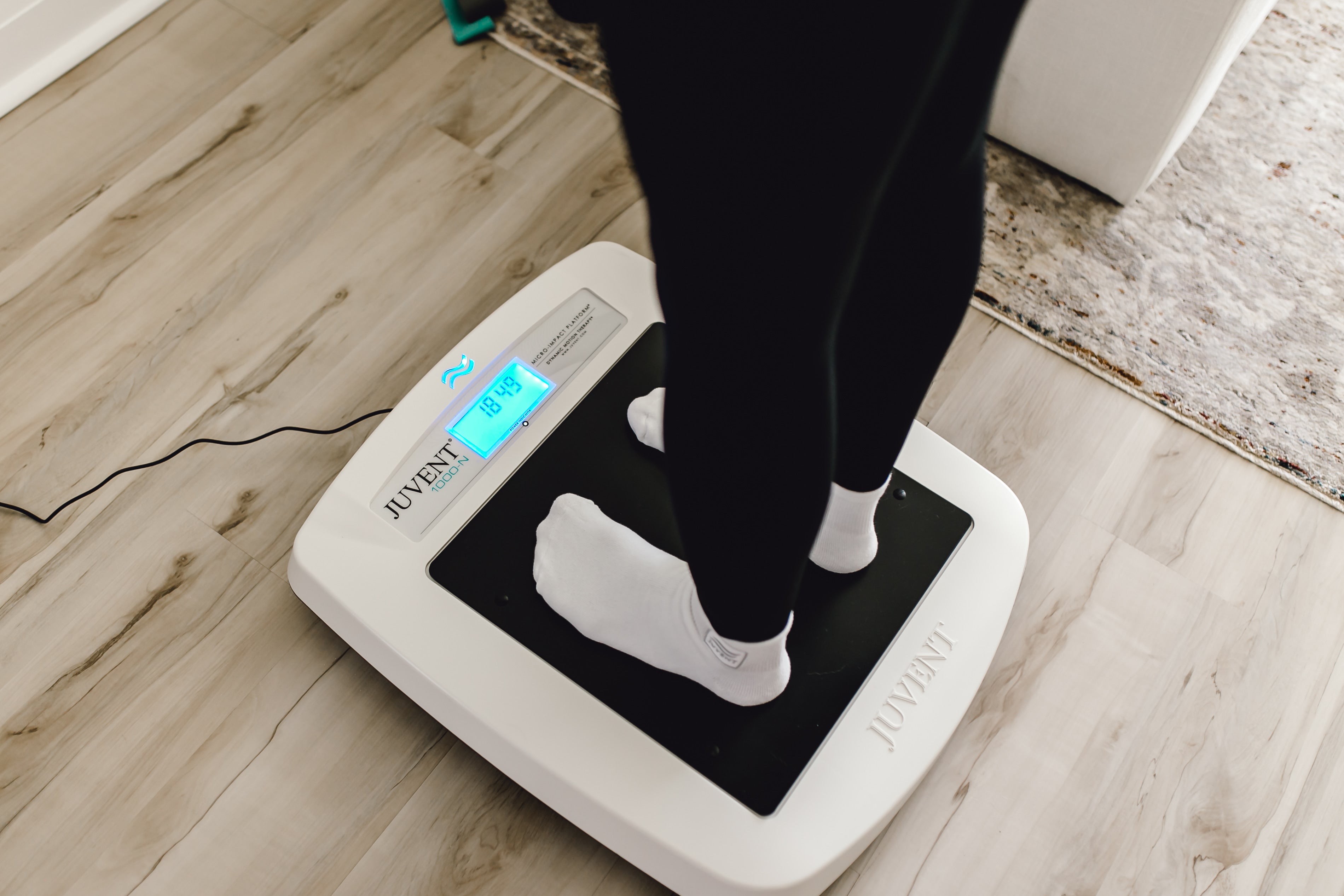
This is one area where supportive wellness tools, such as the Juvent Micro-Impact Platform®, can play a complementary role in a holistic, physician-guided plan. The Juvent device uses gentle, low-magnitude mechanical stimulation to support natural movement by transmitting subtle mechanical signals from the feet throughout the body. Unlike high-impact exercise, this approach can make it easier to maintain daily physical movement, especially if you’re concerned about placing undue stress on your joints. If arthritis is contributing to your joint pain, you can learn how a vibration plate for arthritis may fit into a daily low-impact routine.
Chronic Joint Pain Management Is Not a One-Size-Fits-All
Chronic joint pain is highly complex. And since your joints are intricate biological systems that involve cartilage, ligaments, tendons, bone, and surrounding muscles, effective pain management often requires an individualized approach.
Maintaining movement and reducing physical deconditioning can play a significant role in helping combat the fatigue and discomfort that define chronic pain.
As part of a holistic wellness plan, the Juvent Micro-Impact Platform can help support healthy movement routines. While no single solution works for everyone, building a sustainable, multifaceted approach often provides the strongest foundation for living more comfortably and maintaining the quality of life you deserve.
Consult our FAQs page to learn more about the Juvent Micro-Impact Platform and contact our team for information about our new rental program for those who want to try before they buy.
FDA Disclosure
In the US, the Juvent device is considered investigational for the treatment of osteoporosis or improvement/maintenance of bone mineral density, and our claims have not been reviewed or cleared by the FDA to treat any disease or condition. The JUVENT® Micro-Impact Platform® is registered as a Class I medical device for exercise and rehabilitation.
Sources
- "The Role of Physical Exercise in Chronic Musculoskeletal Pain: Best Medicine—A Narrative Review", Healthcare. [https://www.mdpi.com/2227-9032/12/2/242]

Get the latest insights and contents on all things bone and body health. Signup for our newsletter!
Share:
The Top Five Myths About Bone Loss and Aging
Why Bone Loss Accelerates After Menopause – and What You Can Do About It