

We don’t know what we don’t know, and this is how myths can gather traction. Despite major strides in raising awareness about bone health and maintaining it as we age, certain pesky myths persist.
Today, we’re exposing five of the most common myths surrounding bone loss and aging while providing science-backed information you can use to make healthy lifestyle choices.
Myth #1: Osteoporosis Is a Normal Part of Aging
While it’s true that bone density naturally declines over time, osteoporosis is not an inevitable part of getting older. Osteoporosis is a disease characterized by excessive bone deterioration that leaves bones brittle, porous, and more vulnerable to fractures.
Often referred to as the “silent thief,” osteoporosis can progress without symptoms until a fracture occurs, commonly in the hip, spine, or wrist. According to the Bone Health & Osteoporosis Foundation, approximately 10 million Americans have osteoporosis, while tens of millions more have low bone density that places them at increased risk.
But here’s the good news: An ounce of prevention is worth a pound of cure, and with proactive management, preventive strategies can make a big difference. Adequate calcium, vitamin D, and protein intake, along with regular exercise, all play important roles in supporting healthy bones over time.
This is where Juvent’s HydroxyBMD³™ AM/PM system can help.
For many older adults, maintaining a perfectly balanced diet every day can become more challenging over time. Appetites can decrease with age, and energy levels can fluctuate. Planning and preparing nutrient-dense meals three times a day, plus snacks, isn’t always realistic. At the same time, aging adults often require greater nutritional support for bone, cardiovascular, and overall wellness. Keeping track of calcium, vitamin D3, vitamin K2, magnesium, protein intake, and other essential nutrients is far too much to manage day in and day out. HydroxyBMD³™ AM/PM was developed to help simplify that process with a carefully formulated blend of nutrients designed to support bone and cardiovascular wellness as part of a comprehensive daily wellness regimen.
Myth #2: Only Older Women Get Osteoporosis
Osteoporosis doesn’t discriminate. This myth most likely began because women, particularly after menopause, are at higher risk due to hormonal changes that accelerate bone loss. But did you know that one in five men over 50 will experience an osteoporosis-related fracture? Younger adults can also develop low bone density, especially if other risk factors are involved, including smoking, excessive alcohol use, long-term steroid medications, poor nutrition, or underlying health conditions.
The relationship between aging and bone loss is complex and influenced by lifestyle, activity levels, nutrition, and genetics. While women account for the majority of diagnosed cases, men are frequently underdiagnosed because many people still incorrectly assume osteoporosis is strictly a women’s health issue. Bone health is something everyone should pay attention to, regardless of age or gender.
Myth #3: Osteopenia Always Leads to Osteoporosis
An osteopenia diagnosis does not guarantee a path toward osteoporosis.
Osteopenia simply means lower-than-average bone density. It is an early warning sign, though, and should be respected in that sense. With proper lifestyle adjustments, many people maintain stable bone density for years without progressing to osteoporosis.
Preventative strategies are key here. Nutrition, movement, strength-building activities, and healthy lifestyle habits can all help slow the loss of bone mass and support stronger bones over time.
Myth #4: Drinking Milk Is Enough to Prevent Bone Loss
Somehow, many of us still connect drinking milk with ‘healthy teeth and bones.’ It is true that drinking milk can contribute to healthy teeth and bones due to its high content of calcium, phosphorus, and, when fortified, vitamin D. These nutrients are vital for bone density (and for repairing tooth enamel), but bones require a broad range of nutrients, including magnesium, vitamin K2, and protein.
Research increasingly shows that an overall healthy diet matters more than focusing on any single food. Nutrient-rich diets that include leafy greens, nuts, fish, legumes, and fortified foods can all contribute to healthier bones.
Myth #5: It’s Too Late for Exercise if You Already Have Bone Loss
This is one of the most terribly damaging misconceptions about exercise and bone loss.
Bones are living tissue that responds to movement as we age. While severe osteoporosis may not be fully reversible through exercise alone, appropriate daily movement can help slow further deterioration, improve balance, strengthen muscles, and reduce the risk of falls.
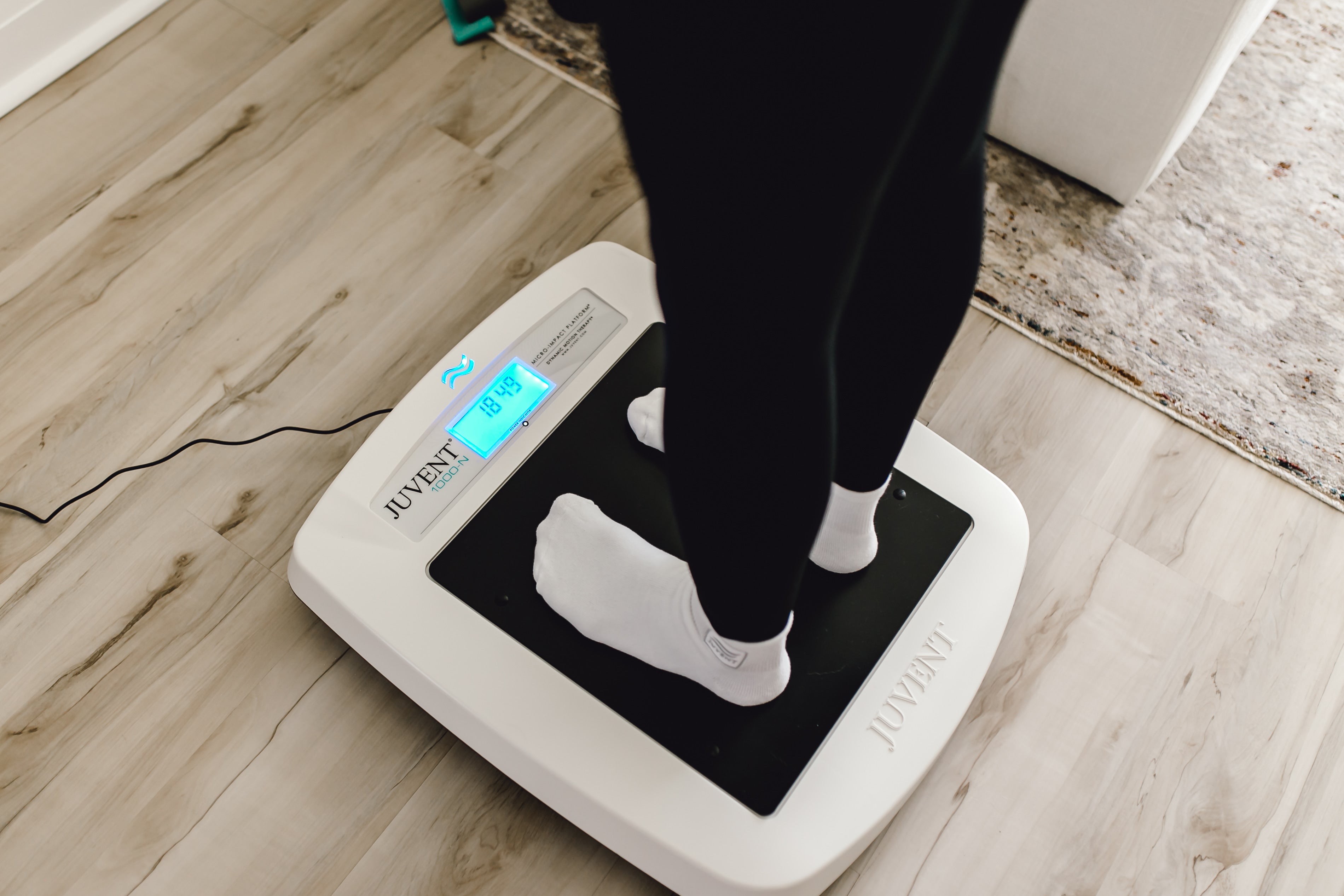
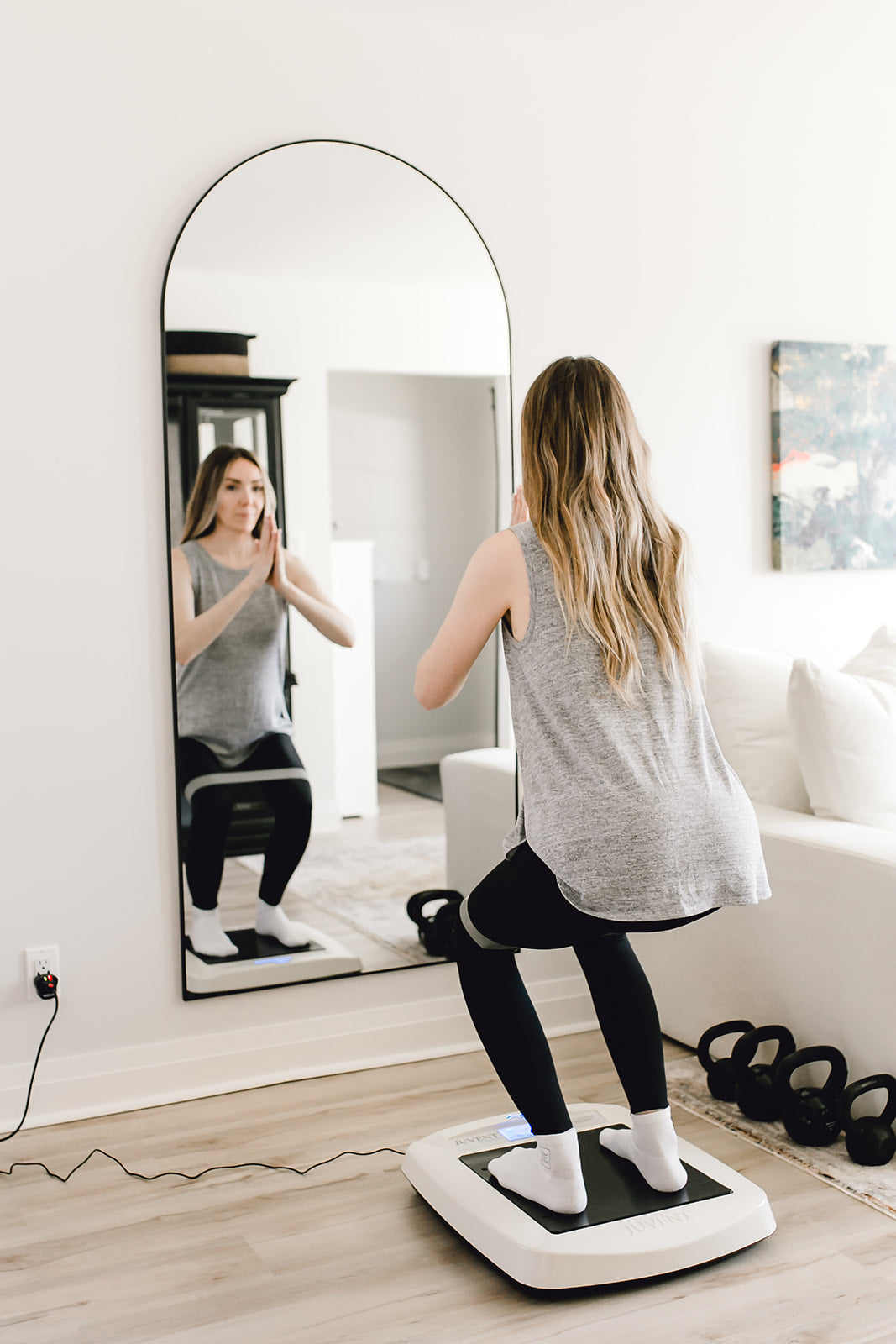
For many older adults or those with mobility limitations, daily exercise, such as going for a walk or intentionally climbing stairs, can simply be too much. But by integrating Juvent’s Micro-Impact Platform® into your daily routine, you can achieve the movement your body needs without leaving the house or causing undue stress or strain on your joints and muscles.
This medical-grade device uses low-magnitude, high-frequency vibrations that are delivered up through your body to promote bone density, improve balance, and relieve joint pain. Because it requires next to no physical exertion, it can be especially helpful for individuals with mobility challenges who want to incorporate regular movement into each day.
Boning Up on Bone Loss Info
Is bone loss reversible? The answer depends on the severity and underlying cause, but research consistently shows that proactive interventions, including nutrition, movement, and healthy lifestyle changes, can positively influence bone health and help slow the progression of bone loss. We hope that our debunking of these five common misconceptions about bone loss will help you make the right choices for your bone health.
Consult our FAQs page to learn more about the Juvent Micro-Impact Platform and contact us with any questions about the HydroxyBMD³ supplement system. Find out how a synergistic approach combining movement and nutritional support can help maintain healthy bones as we age.
FDA Disclosure
In the US, the Juvent device is considered investigational for the treatment of osteoporosis or improvement/maintenance of bone mineral density and our claims have not been reviewed or cleared by the FDA to treat any disease or condition. The JUVENT® Micro-Impact Platform® is Registered as a Class I medical device for exercise and rehabilitation.
These statements have not been evaluated by the US Food and Drug Administration. These products are not intended to diagnose, treat, cure, or prevent any disease.
Sources
- "54 Million Americans Affected by Osteoporosis and Low Bone Mass", Bone Health & Osteoporosis Foundation. [https://www.bonehealthandosteoporosis.org/news/54-million-americans-affected-by-osteoporosis-and-low-bone-mass/]
Get the latest insights and contents on all things bone and body health. Signup for our newsletter!
Share:
How to Pair HydroxyBMD³ with Diet, Movement, and Hydration for Better Wellness Outcomes
Answering the Most Common Questions About Chronic Joint Pain