


Stress plays a crucial and often overlooked role in slowing digestion. Through the gut-brain axis, a network involving nerves, hormones, immune signals, and gut microbes, stress alters communication, making digestion slower, more sensitive, and less efficient.
When this happens, you can experience bloating, abdominal discomfort, and sluggish digestion. While stress does not cause every digestive issue, research shows it can alter gut motility (the way food moves through one’s GI tract), increase intestinal sensitivity, disrupt the microbiome, and contribute to a pattern of irregularity. For people prone to constipation, understanding stress-related digestive issues can make a big difference in how they manage their symptoms.
How Does Stress Affect the Digestive System?
You might be wondering, “Can stress cause digestive issues?” In fact, stress and digestive issues are closely linked.
Modern science has only recently begun to understand the precise biological mechanisms (such as the gut microbiome and specific neurotransmitters) that link stress to digestive problems, such as constipation. When the body is under stress, it activates the sympathetic nervous system, better known as the “fight-or-flight” response. In that state, the body diverts resources from digestive processes to immediate survival functions. Blood flow shifts, stress hormones rise, and normal intestinal contractions (peristalsis) can slow down while sluggish digestive symptoms emerge.
It's that slowdown that affects the movement of food and waste through the digestive tract (motility). In some people, stress speeds things up and causes diarrhea. In others, it does the opposite, contributing to constipation, bloating, and a heavy, uncomfortable feeling.
Stress can make digestion less efficient, and persistent digestive discomfort can, in turn, create more stress. That is one reason constipation is not always solved by diet alone. The nervous system may need support, too.
Why Calming Practices Help
Because the gut and brain are so closely linked, practices that calm the nervous system may also help digestion function more normally. Gentle, consistent movement appears especially useful here.
A review on exercise and irritable bowel syndrome found that physical activity may improve gut motility, reduce inflammation, support microbial diversity, and lessen symptoms such as bloating, abdominal discomfort, and bowel irregularity. Importantly, the research points toward a measured approach. Low- to moderate-intensity exercise is deemed more supportive than overly strenuous activity, which can aggravate symptoms in some people.
When the body feels safe and calm rather than overstimulated, it is better able to shift into a parasympathetic, or “rest-and-digest,” state. That state contributes to intestinal movement, muscular coordination, and a more efficient elimination of waste.
Gentle Daily Movement Can Contribute to Regularity
For people dealing with sluggish digestion, calming practices such as simple daily movement can soothe the nervous system, helping manage constipation-predominant and diarrhea-predominant symptoms.
Walking is one of the most accessible options. A brisk but comfortable walk can help stimulate peristalsis without placing the body under undue stress. Research on moderate aerobic exercise in people with IBS has shown improvements in gastrointestinal symptoms alongside reductions in anxiety, depression, and stress. That combination is significant because it supports both sides of the gut-brain axis at once.
Other gentle forms of movement can also help. Yoga and stretching may support digestion by combining mobility, breath control, and nervous system regulation. Breathing exercises and mindfulness practices can help stimulate the vagus nerve, improving gut-brain communication and increasing gastrointestinal motility. Together, these habits may help reduce the physiological “gripping” effect that stress can place on digestion.
The key is consistency rather than intensity. A short daily walk, gentle stretching, or a few minutes of calm breathing may be more beneficial over time than bursts of hard exercise that leave the body depleted.
How Juvent Supports a Whole-Body Wellness Practice
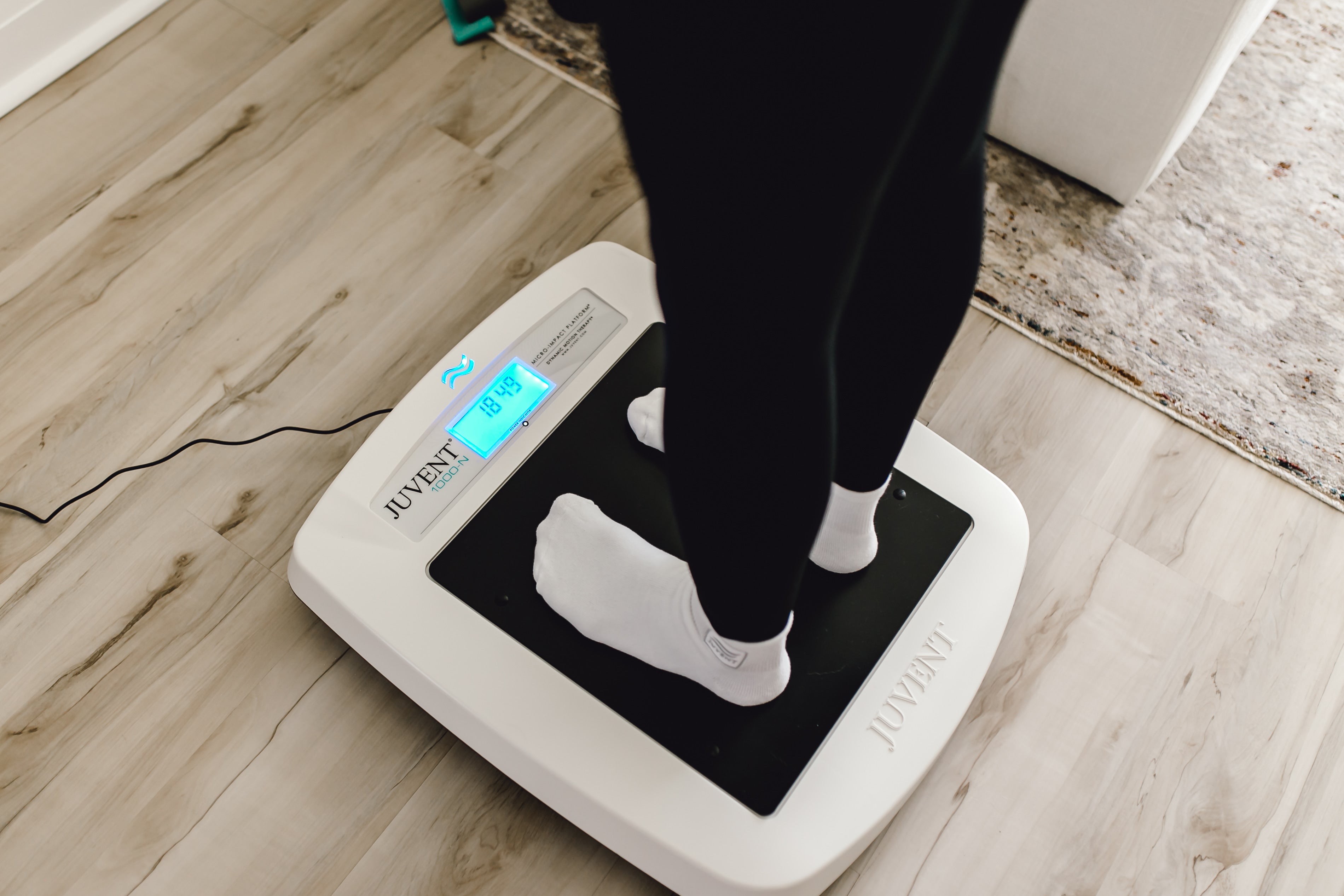
A sluggish system often benefits from steady, gentle exercise. The Juvent Micro-Impact Platform fits naturally into a wellness routine aimed at helping the body feel better supported overall.
By delivering low-magnitude mechanical stimulation (LMMS), the Juvent platform is designed to support musculoskeletal health in a way that is easy to incorporate into daily life at home. For individuals working to incorporate better, more consistent daily habits, the Juvent can ease this transition by building the kind of regular movement that benefits both stress levels and healthy digestion.
Juvent is not a treatment for constipation, but it can complement routines that support whole-body wellness. When gentle movement, calming practices, and healthy living work together, the body is better positioned to regain and maintain its natural rhythm.
Learn more about the Juvent Micro-Impact Platform by consulting our FAQs page, and get in touch for information on our new rental program. Incorporate the Juvent Micro-Impact Platform into your daily routines for long-term wellness and quality of life.
FDA Disclosure
In the US, the Juvent device is considered investigational for the treatment of osteoporosis or improvement/maintenance of bone mineral density and our claims have not been reviewed or cleared by the FDA to treat any disease or condition. The JUVENT® Micro-Impact Platform® is Registered as a Class I medical device for exercise and rehabilitation.
Sources
- "Effects of Physical Exercise on the Microbiota in Irritable Bowel Syndrome", Nutrients. [https://www.mdpi.com/2072-6643/16/16/2657]

Get the latest insights and contents on all things bone and body health. Signup for our newsletter!
Share:
How HydroxyBMD³™Fits Into a Holistic Approach to Aging Well
Pain Flare-Ups: Lifestyle Triggers That Make Them Worse (and How to Reduce Them)