


Living with chronic pain means living with constant unpredictability. For weeks, you can feel fine, and then a flare-up can suddenly occur, derailing your active life. Unlike acute pain, which you feel after an injury and is eventually resolved, chronic pain comes and goes, seemingly without a cause.
But there are things you can do to reduce flare-ups. By recognizing the early signs of an impending pain flare-up and by understanding what triggers flare-ups, you can manage them more effectively and enjoy the active life you want to lead.
How Inactivity and Overexertion Can Trigger Flare-Ups
Too little movement and too much movement can lead to a back pain flare-up and other chronic pain issues.
Inactivity is one of the most common lifestyle triggers of chronic pain. When you sit for long periods or avoid movement because you’re worried about potential pain, the muscles that support your spine, such as your core, glutes, hamstrings, and deep back muscles, begin to weaken. This process, known as muscle deconditioning (or atrophy), reduces your body’s natural stability. As support decreases, more strain is placed on spinal joints, ligaments, and discs, increasing the likelihood of a flare-up.
Movement plays an important role in maintaining spinal disc health. Discs rely on regular motion to stay flexible. Without it, they can become stiff, and surrounding joints may feel tight and less responsive.
On the other end of the spectrum, overexertion can also trigger flare-ups. Doing “too much, too soon” (such as heavy-duty gardening, deep house cleaning, lifting with poor form, or jumping into an intense new workout) can overload tissues that are already sensitive. Small, microscopic tears in muscles and ligaments can occur, leading to inflammation and soreness.
Improper lifting or excessive twisting also increases pressure on spinal discs, which can irritate nearby nerves. For individuals managing nerve-related conditions and wondering what triggers neuropathy to flare up, overloading irritated tissues can be a contributing factor.
To reduce flare-ups, it’s important to strike a healthy balance between inactivity and overexertion. Breaking larger tasks into manageable sessions, taking intentional breaks to move or rest, and integrating regular, low-impact movement such as walking or tai chi help maintain strength and flexibility. Consistency is key. This is what protects your spine and reduces flare-ups over the long term.
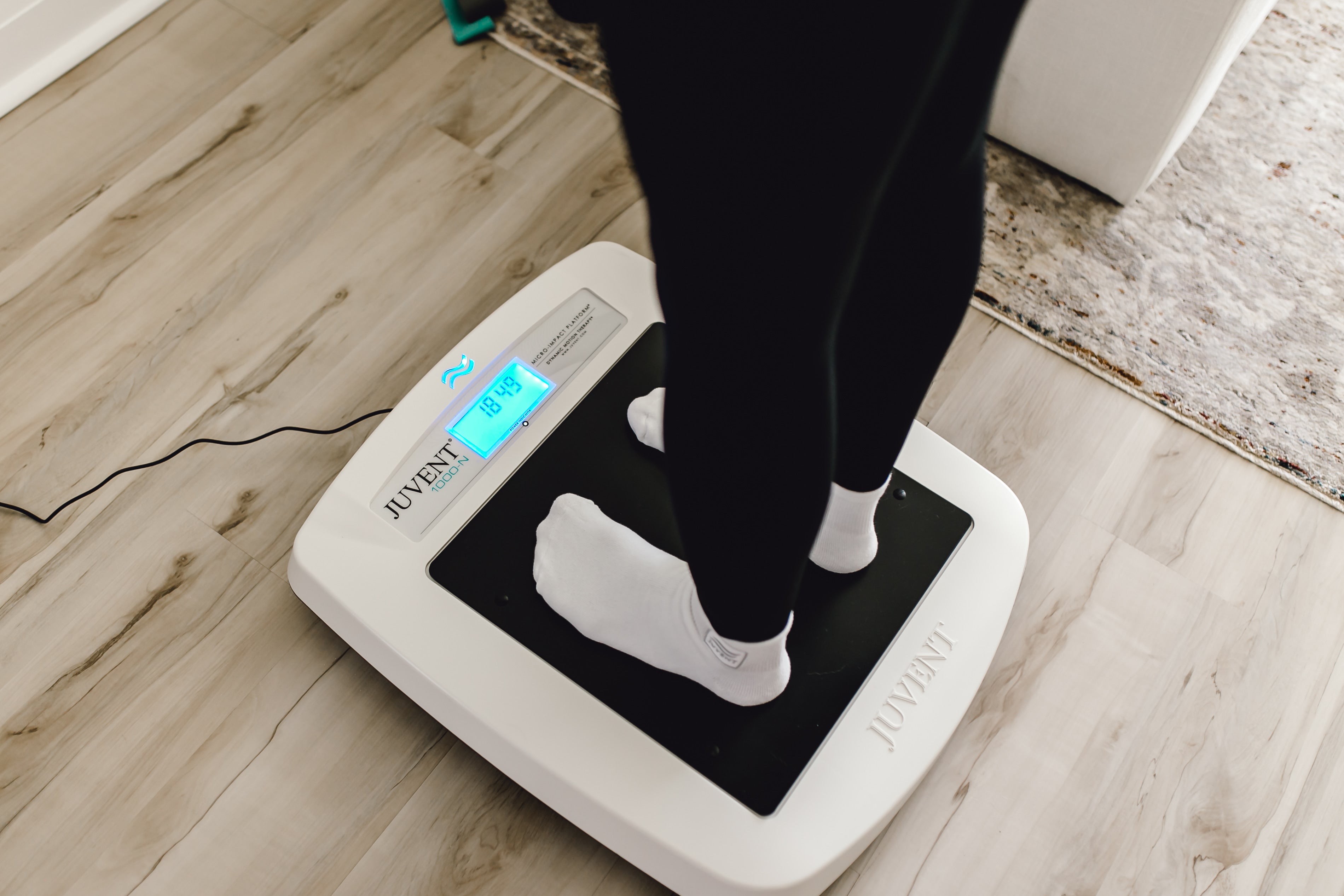
For individuals who are hesitant to move due to discomfort, the Juvent Micro-Impact Platform® offers a gentle, structured way to stay active without overloading sensitive tissues and joints. Using low-magnitude mechanical stimulation (LMMS), the platform delivers calibrated vibrations that simulate the natural forces of walking. This controlled daily movement can help support joint comfort, improve circulation, encourage the muscle engagement needed for spinal stability, and help you recover from musculoskeletal injury.
With consistent use, many individuals report improvements in balance, mobility, and bone density, which can translate into greater confidence during everyday activities such as climbing stairs, standing for longer periods, or walking on uneven surfaces. By helping you maintain movement without pushing into overexertion, the platform contributes to overall wellness and quality of life, reducing the likelihood that inactivity or “too much, too soon” will trigger your next flare-up.
How Diet and Nutrition Influence Pain Flare-Ups
Food can either calm inflammation or fuel it.
A diet high in added sugars, refined carbohydrates, unhealthy fats, and processed meats promotes chronic, low-grade inflammation throughout the body. When these foods are consumed regularly, the immune system remains activated, releasing inflammatory markers that, over time, can lower your pain threshold and lead to a flare-up.
The gut also plays a key role in reducing or increasing the likelihood of a flare-up. A low-fiber, nutrient-poor diet can disrupt the gut microbiome, increasing intestinal permeability and promoting systemic inflammation. And because the gut and nervous system are closely connected, this imbalance can amplify pain patterns seen in chronic lower back pain.
Nutritional deficiencies matter too. Inadequate magnesium, vitamin D, and anti-inflammatory nutrients can heighten pain sensitivity.
This is where supplements can help. The HydroxyBMD3 AM/PM system from Juvent is designed to work in harmony with daily movement and overall wellness, supporting bone, joint, and gut health through targeted nutrient release. Combined with an anti-inflammatory diet, the system can create a more resilient internal environment less likely to lead to flare-ups.
Stress, Sleep, Smoking, and Weight Contribute to Chronic Pain Flare-Ups
Stress, poor sleep, smoking, and excess weight can also contribute to the likelihood of a pain flare-up.
When you’re under ongoing stress, your body remains in a “fight or flight” state. Cortisol levels rise, inflammation increases, and your nervous system becomes more sensitive to discomfort. This can make an existing back pain flare-up feel more intense and last longer.
Sleep is equally important. During deep sleep, your body repairs tissues and regulates inflammatory processes. Disrupted or insufficient sleep lowers your pain threshold, meaning sensations that once felt manageable may suddenly feel uncomfortable.
Nicotine restricts blood flow and reduces oxygen delivery to tissues, slowing healing and increasing pain sensitivity. Excess weight adds structural stress to joints and contributes to systemic inflammation, both of which can increase the frequency and severity of flare-ups.
To manage chronic pain flare-ups, reducing stress, getting a good sleep, quitting smoking, and keeping your weight within a healthy range can all make a positive impact.
A Proactive Approach to Managing Chronic Pain
If you’re coping with chronic pain, relief often begins with understanding your triggers and taking small, consistent steps to reduce them. Integrating gentle, low-impact movement into your daily routine can support your body, improving comfort, resilience, and your overall quality of life.
The Juvent Micro-Impact Platform can provide an easy, at-home strategy for managing chronic pain. Its patented low-magnitude mechanical stimulation technology can support bone health, balance, circulation, and strength. Visit our FAQs page to learn more or contact our team to ask about our new Rental Program, created to help pain sufferers experience the platform before buying. Let’s get you back to living the active life you love. Get in touch today.

Get the latest insights and contents on all things bone and body health. Signup for our newsletter!
Share:
How HydroxyBMD³™Fits Into a Holistic Approach to Aging Well
The Hidden Role of Stress in Sluggish Digestion, And Calming Practices That Help