


Tingling in your arm or leg because it’s “fallen asleep” (paresthesia) is different from signs of neuropathy, which is chronic, often progressive peripheral nerve damage. Common causes of neuropathy include diabetes, vitamin deficiencies, infections, or toxins. Unlike the pins and needles feeling you get when a nerve is temporarily compressed, neuropathy involves structural, functional nerve damage. While neuropathy can’t be “cured,” it can be avoided, slowed, managed, and in some cases fully reversed.
Peripheral neuropathy affects an estimated 20 million Americans, and it becomes more common with age. Among people with diabetes, up to 70 percent develop some form of nerve damage.
Through consistent movement and improved circulation however, you can slow the progression of neuropathy, and in some cases, facilitate nerve regeneration, which significantly reduces pain. By integrating a specialized supplement for nerve health, like the HydroxyBMD3 AM/PM system from Juvent, you can further support a healthy nervous system and promote overall wellness.
Understanding Nerve Pain and Nerve Damage
Your nervous system is your body’s communication network. When your nerves are healthy, signals between your body and your brain travel quickly, allowing you to respond to the world around you. When nerves are damaged, those signals can misfire or fade, leading to pain, numbness, and weakness.
The types of nerves that make up your nervous system are:
-
Autonomic nerves, which control involuntary functions like your heart rate, digestion, and body temperature.
-
Motor nerves, which carry signals from the brain and spinal cord to your muscles and enable movement.
-
Sensory nerves, which relay information from your skin and muscles to your brain and enable you to feel touch, temperature, and pain.
Nerve damage can produce a wide range of symptoms depending on which nerves are affected. Autonomic nerve damage may cause lightheadedness, abnormal sweating, dry eyes or mouth, digestive problems, or bladder changes. Motor nerve damage can lead to weakness, muscle wasting, twitching, or paralysis. Sensory nerve damage often shows up as pain, tingling, burning, numbness, or altered awareness of body position.
In many cases, people experience a mix of symptoms, such as weakness and burning in their legs.
How Does Movement Contribute to Nerve Health?
Research shows that physical activity directly benefits nerve health both in the short term and over the long term.
Exercise stimulates the growth of new brain cells—a process called neurogenesis. It also strengthens the connections between brain cells, making communication throughout the nervous system faster and more efficient, and enhances brain plasticity, the brain's ability to reorganize and respond to new challenges. This flexibility helps your nervous system recover from stress, learn new skills, and maintain function as you age.
Physical activity also reduces chronic inflammation, which can damage nerve tissue and contribute to cognitive decline. What matters most, however, is consistency. Walking, low-impact aerobic exercises, light resistance training, balance training, yoga, and tai chi are all recommended activities for promoting nerve health.
Why Circulation Is Essential for Nerves
Nerves are highly metabolic tissues. They require a constant supply of energy (specifically oxygen and glucose) to remain healthy. Circulation is the delivery system that enables this energy supply. Good blood flow delivers essential nutrients while removing waste products generated during metabolic activity. When blood flow is limited, waste can build up and irritate nerve endings.
In cases of injury, blood vessels serve as a scaffold for nerve regeneration and deliver the oxygen required for healing. Poor circulation, by contrast, leaves nerves in a “starved” state. This is why conditions that impair blood flow—such as diabetes or smoking—are closely linked to neuropathy. Daily movement that supports circulation, supports nerve health.
What is good for circulation? Gentle walking encourages blood flow, as do ankle pumps, leg elevations (good for venous return), stretching, and yoga.
How to Get Good Circulation and Daily Movement
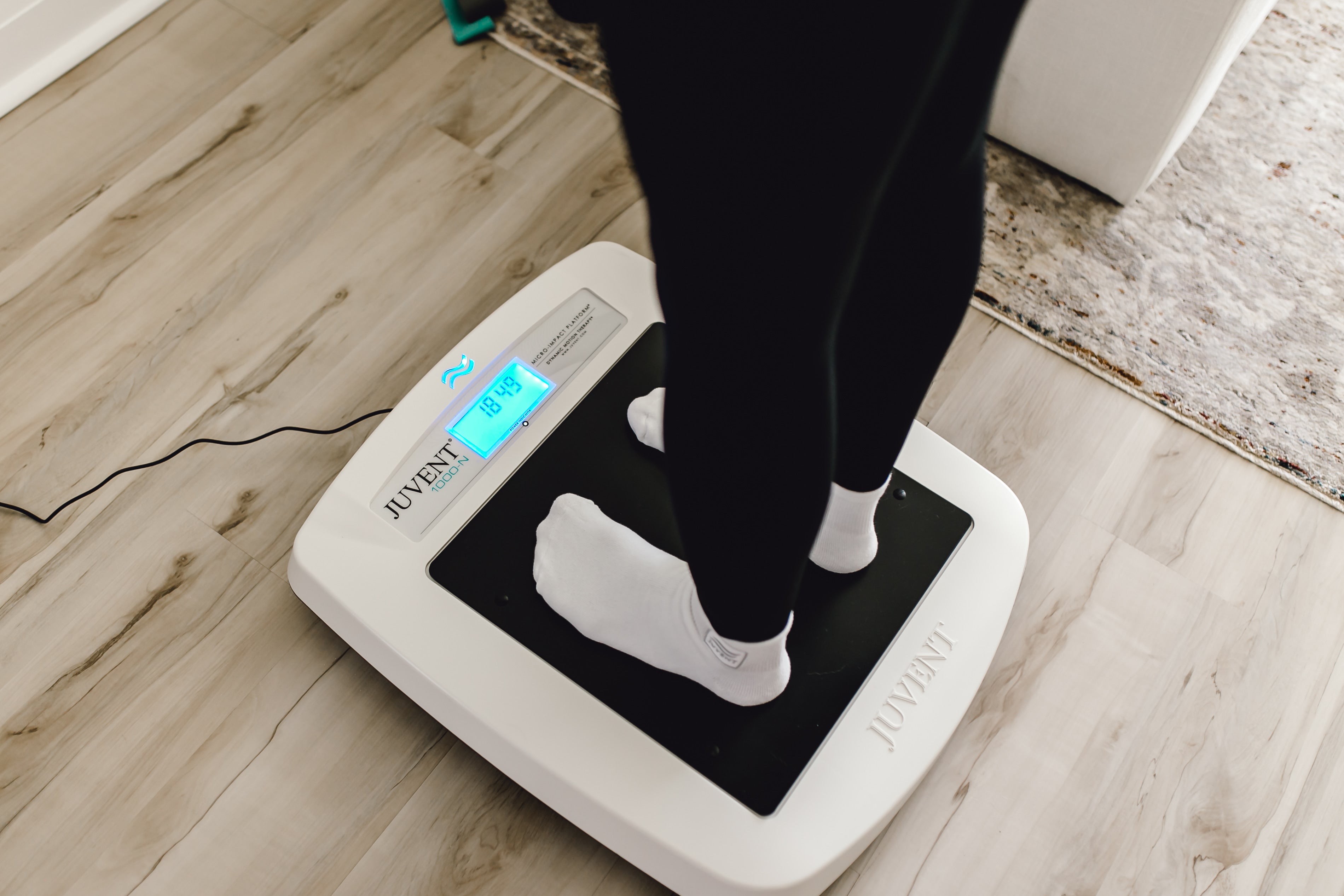
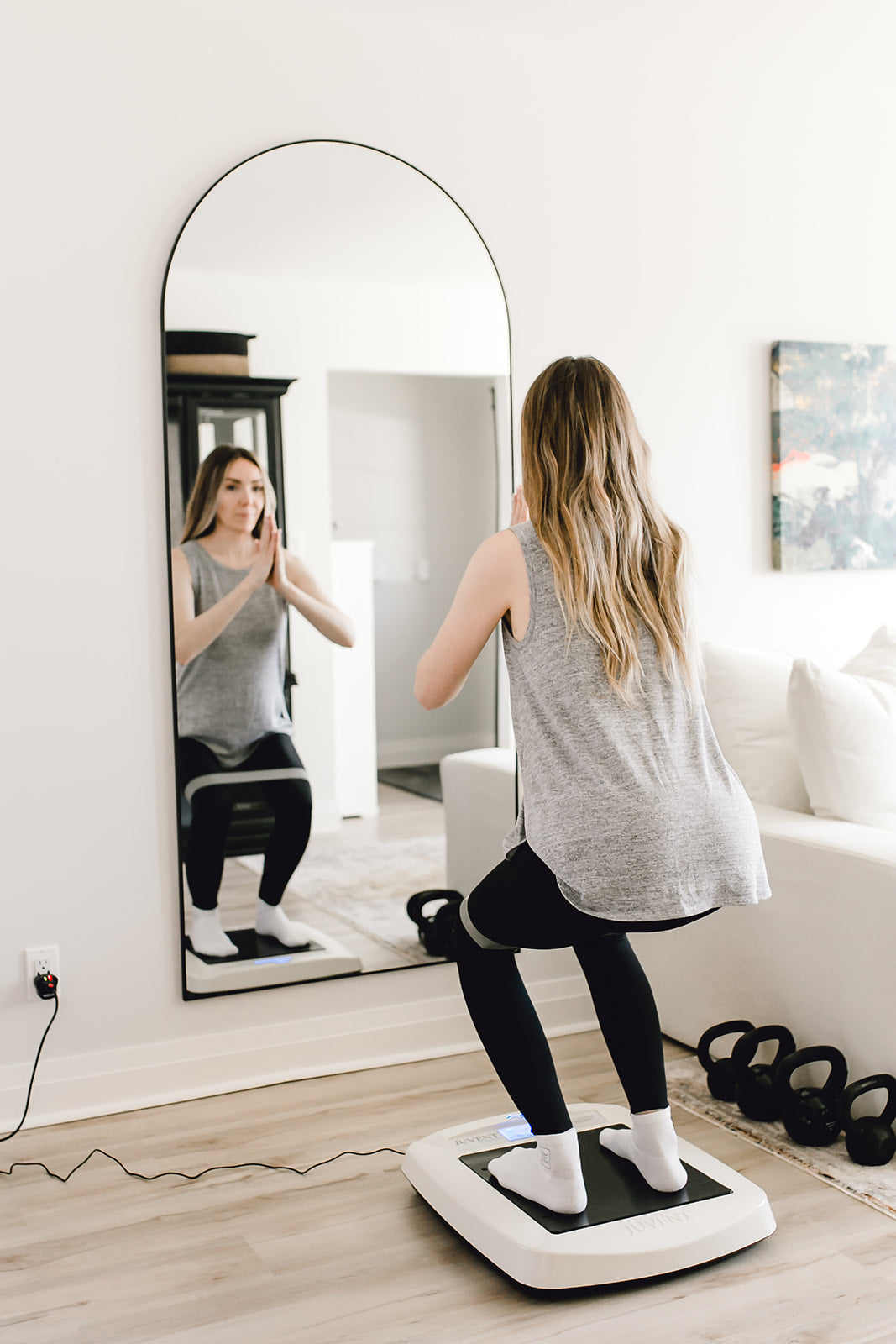
For people coping with pain, stiffness, or mobility challenges, exercise that promotes good circulation and, in turn, nerve health, can be difficult to fit into daily routines. The Juvent Micro-Impact Platform® offers a simple, at-home way to obtain healthy movement every day without placing undue stress on joints and muscles.
By standing on the platform your body is exposed to low-magnitude mechanical stimulation (LMMS) calibrated to your body’s unique resonant frequency. These vibrations move up through your feet, simulating exercise.
The Juvent operates within a safe 32–37Hz frequency range and delivers a subtle force of 0.3–0.4 g. These micro-impacts provide the movement needed to reduce pain and discomfort and to improve mobility, circulation, bone health, and balance.
Supporting your nerves with consistent movement and healthy circulation is one of the best investments you can make in your comfort, mobility, and long-term well-being.
Learn more about the Juvent Micro-Impact Platform by visiting our FAQs page or get in touch with our team. Ask about our rental program to try before you buy, and see how this simple addition to your day can help keep you feeling healthy, rejuvenated, and pain-free.
FDA Disclaimer
In the US, the Juvent device is considered investigational for the treatment of osteoporosis or improvement/maintenance of bone mineral density and our claims have not been reviewed or cleared by the FDA to treat any disease or condition. The JUVENT® Micro-Impact Platform® is Registered as a Class I medical device for exercise and rehabilitation.
Sources
- Benefits of Exercise Intervention in Reducing Neuropathic Pain, Frontiers in Cellular Neuroscience. [https://pmc.ncbi.nlm.nih.gov/articles/PMC3983517/]
- The Anti-Inflammatory Effects of Exercise: Mechanisms and Implications for the Prevention and Treatment of Disease, Nature Reviews Immunology. [https://www.nature.com/articles/nri3041]
Get the latest insights and contents on all things bone and body health. Signup for our newsletter!
Share:
How HydroxyBMD³™ Supports Whole-Body Wellness Through Morning and Evening Nutrition
The Science Behind Synergistic Nutrients: Why HydroxyBMD³™ Works as a System, Not a Single Supplement