

Osteoporosis Prevention: How to Protect Your Bones for Life
May marks National Osteoporosis Awareness and Prevention Month, a timely reminder that protecting your bones is a lifelong journey. Whether you’re in your 30s building peak bone mass or in your 60s working to build and maintain what you have, understanding osteoporosis prevention can help you stay strong, active, and independent for years to come.
Key Takeaways
-
Bone loss accelerates after about age 50, but nutrition, exercise, and lifestyle changes can significantly reduce fracture risk by 20-50%
-
Weight bearing exercises and resistance training, adequate calcium and vitamin D, and avoiding smoking and excess alcohol form the foundation of osteoporosis prevention
-
Early action in your 20s, 30s, and 40s helps build higher peak bone mass, protecting you later in life
-
Non-invasive technologies like Juvent’s micro impact mechanical stimulation platform supports health as a complement to traditional prevention methods
-
Supplements such as Juvent’s Hydroxy BMD3™ensures your skeleton has the necessary resources during peak repair cycles to support density, muscle engagement, and long-term strength.
-
Speaking with a primary care provider about personal risk factors and bone density testing is essential if you’re concerned about osteoporosis
What Is Osteoporosis and Why Prevention Matters
Osteoporosis is a systemic skeletal disease where bones become less dense and more fragile, leading to an increased risk of broken bones, particularly in the hip, spine, and wrist. Your bones are living tissue, constantly undergoing remodeling where old bone is broken down and new bone forms to replace it.
Most people reach their peak bone mass between ages 25 and 30. After this point, bone loss slowly begins to exceed bone formation, with the amount of bone declining gradually each year. Prevention matters because osteoporosis often progresses without other symptoms until a fracture occurs—sometimes from something as minor as a minor slip. These fractures can lead to severe pain, disability, and prolonged recovery periods.
While you cannot control your age, you can influence many risk factors for bone loss through daily habits. Taking proactive steps now can help keep your bones healthy throughout your life.
How Osteoporosis Develops Over Time
Osteoporosis develops gradually over years. During childhood and adolescence, bones accrue mass rapidly, building the foundation for your skeletal health. By age 18, most people have achieved about 90% of their peak bone density.
After reaching peak bone mass, adults experience minimal net change until around age 50, when loss accelerates to about 0.5-1% annually. For postmenopausal women, hormonal changes can double bone loss rates to 2-3% per year initially due to declining estrogen. Men experience a more gradual decline associated with decreasing testosterone.
Without protective steps, this process can progress from normal density to osteopenia (reduced bone density) and eventually to osteoporosis, where even minor falls can cause fractures. Osteoporosis is defined as bone loss beyond a threshold that quadruples the fracture risk compared to a healthy 35-year-old woman.

Major Risk Factors for Osteoporosis You Should Know
Some factors that increase your risk of osteoporosis cannot be changed, while other factors are within your control.
Non-modifiable risk factors include:
-
Age over 50 (risk doubles every decade)
-
Female sex (older women have higher prevalence)
-
Family history of osteoporosis or hip fracture (heritability is 50-80%)
-
Smaller body frame
-
Caucasian or Asian ethnicity
Modifiable lifestyle risks include:
-
Smoking (increases fracture risk 1.5-2 fold)
-
Any alcohol consumption
-
Physical inactivity and lack of impact exercise
-
Low body weight (BMI below 19 doubles risk)
-
Diets low in calcium and vitamin D
-
Low blood pressure
-
Exceeding recovery capacity through over exercising and training
Medical conditions such as thyroid diseases, inflammatory bowel disease, rheumatoid arthritis, and Cushing syndrome can raise the risk of bone loss. Risk factors for osteoporosis also include using hormone blockers to treat certain cancers. Long-term use of proton pump inhibitors or corticosteroids can also weaken bones.
Discuss your habits and health conditions with a healthcare professional to understand your personal fracture risk.
Nutrition for Strong Bones: Calcium, Vitamin D, and Beyond
Nutrition is the foundation of bone strength, as the body continuously remodels bone tissue and requires specific building blocks to do so. A balanced diet provides these building blocks, particularly important in early life and after menopause.
Calcium Requirements: For adults under 50, the daily calcium intake should aim for 1,000 mg. The recommended daily allowance of calcium increases to 1,200mg for women aged 51 and older and for men aged 71 and older. Adults need approximately 1,000-1,500 mg per day from sources like:
-
Dairy products (300mg per cup of milk)
-
Leafy greens like kale
-
Canned sardines with bones
-
Calcium-fortified orange juice and plant milks
-
Tofu set with calcium
Vitamin D: Vitamin D is essential for healthy bones and teeth as it helps the body absorb calcium. Most adults need 600-800 IU of vitamin D daily, though some doctors recommend up to 1,000 IU for older adults. Getting adequate sunlight exposure is important for vitamin D production—short daily sun exposure during warmer months helps. Food sources include oily fish, fortified foods, and eggs.
Juvent’s Hydroxy BMD3™: A comprehensive, two-part supplement system designed to synchronize with your body’s natural circadian rhythms to maximize bone and cardiovascular health. By providing a targeted AM/PM regimen, it delivers highly bioavailable nutrients—such as Microcrystalline Hydroxyapatite (MCHA) and Vitamin K2—ensuring that the essential building blocks for bone density are available during your body's peak repair cycles. When paired with mechanical stimulation, this synergistic approach supports cellular communication, muscle engagement, and long-term bone strength.
High protein intake (1.0-1.2 g/kg of body weight) reduces fracture risk if calcium intake is also sufficient. Include both animal and plant-based protein sources in your diet.
Consult a clinician before starting supplements, especially if you have kidney disease or other health conditions.

Exercise to Build and Preserve Bone Density
Exercise stimulates bones to become denser and stronger, acting similarly to how it works on muscles. Regular exercise is essential for bone health, with adults aged 19 to 64 recommended to engage in at least 2 hours and 30 minutes of moderate-intensity aerobic exercise each week, plus muscle strength training on 2 or more days.
Weight-bearing and resistance exercises are particularly important for improving bone density and should be performed 3 to 4 days a week. If you have diagnosed osteoporosis, consult a physical therapist to choose exercises safely based on your fitness level.
Weight-Bearing Exercise
Weight bearing exercises work against gravity while you support your own body weight. These activities help keep bones strong by providing mechanical loading.
High-impact weight-bearing exercises, such as running, skipping, and dancing, help strengthen muscles, ligaments, and joints. For those needing gentler options, brisk walking, climbing stairs, and low-impact aerobic exercise provide benefits without excessive stress on joints.
Note that swimming and cycling offer excellent cardiovascular benefits but don’t load bones the same way—they’re valuable for overall health but should be combined with weight bearing activities.
Resistance and Strength Training
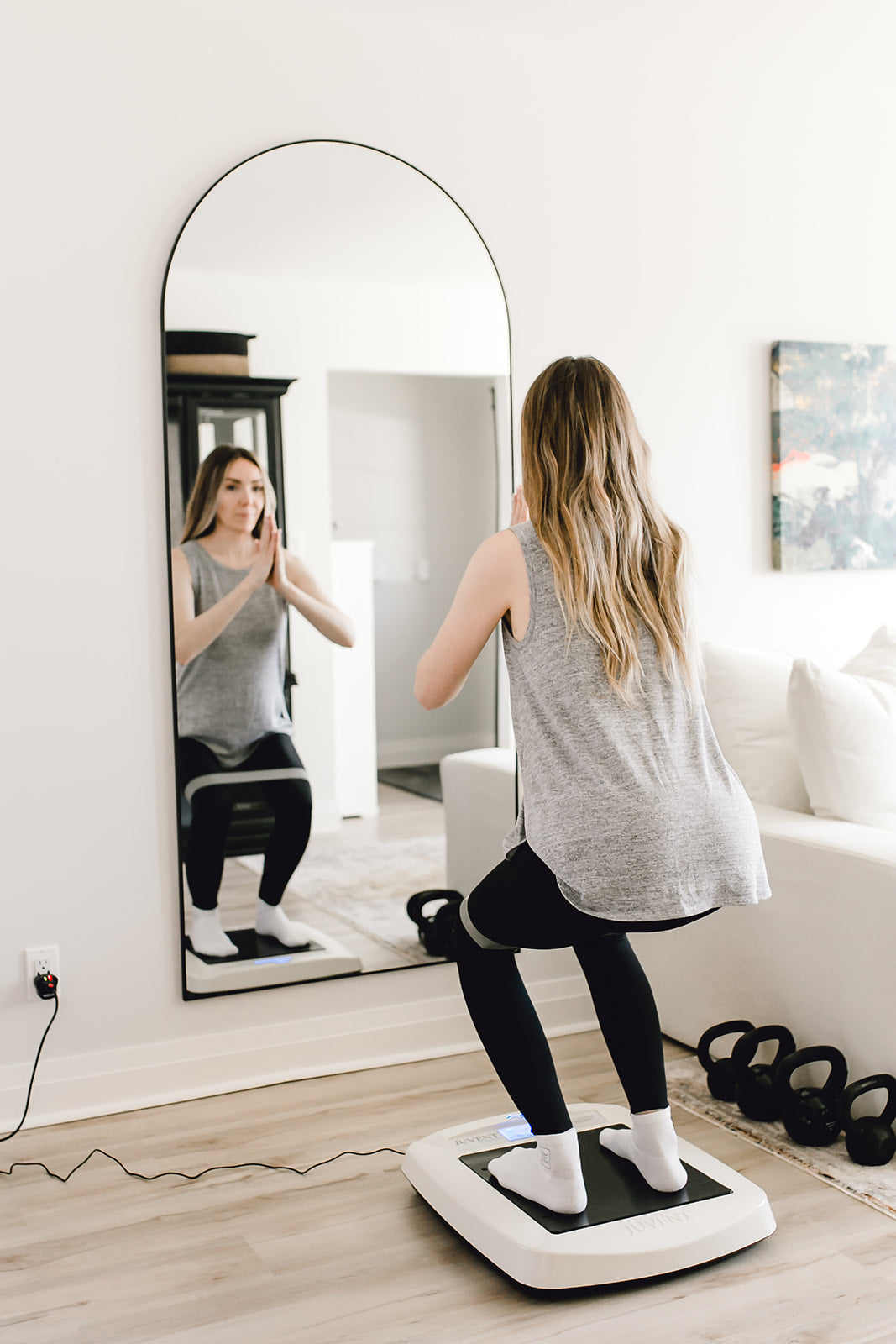
Resistance training, which includes activities like weightlifting and using resistance bands, can help strengthen bones by making muscles work harder, thereby supporting balance and reducing fall risk. This type of exercise stimulates bone by working strong muscles against external loads.
Effective options include:
-
Bodyweight moves (squats, wall push-ups)
-
Light dumbbells for arms and shoulders
-
Resistance bands for hips and legs
Aim to work all major muscle groups at least 2 days per week to strengthen muscles throughout your body. Balance and flexibility practices like tai chi or yoga improve balance and coordination, which is critical for preventing falls—the leading cause of osteoporotic fractures in older adults.
Lifestyle Habits That Support Lifelong Bone Health
Beyond diet and physical activity, everyday choices significantly impact bone strength.
Smoking Cessation: Smoking cessation is crucial for maintaining bone health, as smoking is linked to decreased bone density and increased fracture risk. Quitting shows benefits within 1-2 years.
Nutritional Supplementation: Juvent’s Hydroxy BMD3™ is a targeted AM/PM system that synchronizes with your body’s circadian rhythms to maximize nutrient absorption. By delivering bioavailable building blocks like MCHA and Vitamin K2, it ensures your skeleton has the necessary resources during peak repair cycles to support density, muscle engagement, and long-term strength.
Limit Alcohol: Limiting or stopping alcohol consumption can help prevent osteoporosis, as excessive alcohol intake is associated with lower bone density and increased fall risk.
Healthy Body Weight: Maintaining a healthy weight is important, as being underweight significantly increases the risk of osteoporosis due to less mechanical load on the bones. Avoid extreme dieting.
Manage Sleep and Stress: Chronic sleep deprivation and uncontrolled stress affect hormone balance and overall health. Aim to stay active during the day and maintain consistent sleep schedules.
Fall Prevention: Simple home modifications reduce fracture risk:
-
Improve lighting throughout your home
-
Secure rugs and clear walkways
-
Install grab bars in bathrooms
-
Use handrails on stairs
Monitoring Bone Density and Working With Your Doctor
Bone density scans (DEXA) measure bone mineral density and help identify low bone density before fractures occur. This test uses low-dose X-rays to measure density at the hip and spine, generating T-scores that compare your bones to a healthy young adult.
Bone density scans are recommended for women over 65 and men over 70. Earlier screenings may be needed if there are risk factors such as previous fragility fractures, long-term steroid use, or specific medical conditions.
Talk with your primary care provider if you’ve experienced fractures after minor falls, sudden height loss, or chronic back pain. Results help guide appropriate strategies, which may include nutrition changes, exercise programs, and—when indicated—medications to treat osteoporosis or support treating osteopenia.
How Juvent Micro Impact Technology Can Support Bone Health
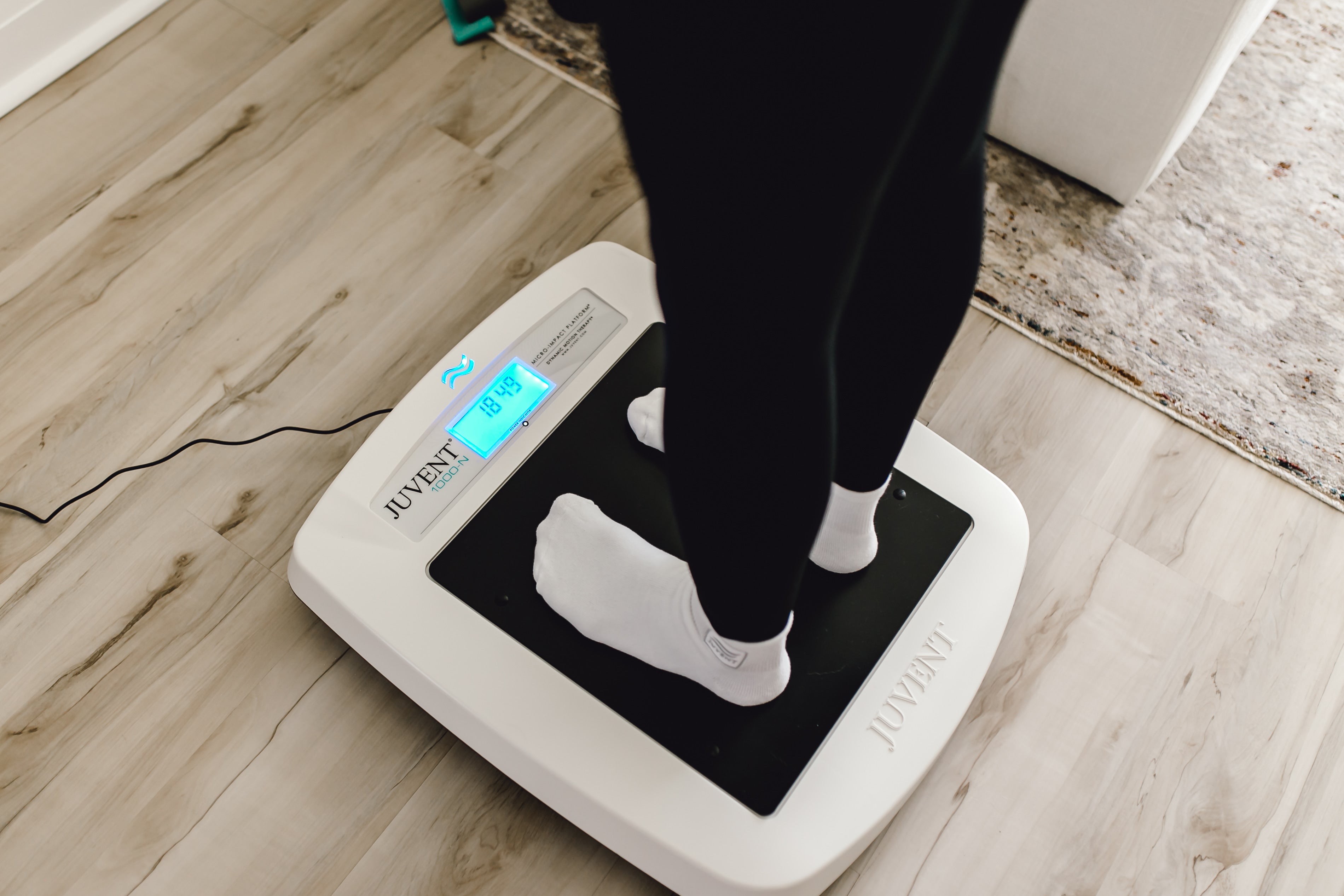
Juvent offers a patented non-invasive, technology-based platform that delivers micro impact stimulation through the feet while you stand on it. This safe, gentle and effective frequency mimics the natural forces your skeleton experiences while walking barefoot, designed to support bone health and address musculoskeletal concerns.Walking is fundamental to human health and longevity. Every step sends natural micro-impacts through the body, supporting circulation, muscle activation, and skeletal strength.
Modern life has sidelined the natural movement our bodies require to thrive. Juvent restores this essential biological feedback in only 10–20 minutes a day. Its micro-impact technology is tuned to your body’s frequency, supporting everything from cellular communication to muscle and bone vitality.
Research proves this type of stimulation may help support bone density maintenance by activating the same pathways that respond to weight bearing activity. Juvent is positioned as a complementary tool alongside established prevention strategies—not a replacement for medical care or physical activity.
If you have existing health conditions, implanted devices, or balance concerns, consult a healthcare professional before using new technologies. For those building a personalized bone health plan, Juvent’s approach may offer additional support alongside nutrition, exercise, and lifestyle modifications.
Frequently Asked Questions About Osteoporosis Prevention
Can younger adults in their 20s and 30s really prevent osteoporosis later in life?
Absolutely. Childhood and adolescence are crucial for building maximum peak bone mass to buffer against future loss. The habits you establish in your 20s and 30s—including enough calcium intake, regular weight bearing activity, and avoiding smoking—can increase peak bone mass by 10-15%, significantly reducing your risk later.
Is walking alone enough to protect my bones?
Today we don't walk barefoot as our ancestors did and therefore our skeleton does not get what it needs. Juvent provides the solution in 10-20 mins a day through our revolutionary micro impact platform. Regular brisk walking is excellent for overall health and provides some bone-loading benefits. However, combining walking with Juvent’s micro impact platform offers more complete protection against both bone loss and falls.
Do I need a supplement if I eat a healthy diet?
Whether a supplement is necessary often depends on your specific lifestyle and health goals. While many people can get enough vitamin D and calcium through a balanced diet and safe sun exposure, certain factors like dietary restrictions or medical conditions may create a need for additional support.
Integrating a comprehensive system like Juvent’s Hydroxy BMD3 can offer targeted benefits that standard diets might miss:
-
Circadian Alignment: The AM/PM regimen aligns with your body’s natural rhythms to maximize nutrient absorption during both active and recovery phases.
-
Superior Bioavailability: It utilizes Albion Minerals and Microcrystalline Hydroxyapatite (MCHA), which are highly absorbable forms of minerals that support bone quality and strength.
-
Clinical Bone Support: The inclusion of Bonolive helps stimulate bone-building cells, specifically addressing bone loss in post-menopausal women.
-
Beyond Bone Health: The formula includes ingredients like MicrobiomeX and Vitamin K2 to support gut health, lower inflammation, and ensure calcium is directed to the bones rather than soft tissues.
-
Synergistic Effects: When used alongside the Juvent Micro-Impact Platform, it provides the essential nutritional building blocks to complement mechanical bone stimulation.
Always remember to discuss your specific needs with a healthcare professional before starting a new supplement regimen.
Can osteoporosis be reversed once it develops?
While fully restoring bone density to youthful levels is difficult, improving existing bone density is possible. Treatments such as Juvent’s Micro Impact Technology coupled with lifestyle changes such as impact exercise and balanced nutrition may improve bone density and have been shown to slow bone loss. Current Juvent users have reported up to a 30% increase in bone density.
Effectively preventing osteoporosis involves a combination of high calcium and vitamin D intake, regular weight-bearing/resistance exercise, and avoiding smoking and excessive alcohol. These same strategies help manage existing osteoporosis.
How long does it take to see benefits from bone-strengthening habits?
Bone responds more slowly than muscles—improvements typically occur over 6-24 months of consistent effort. Think of osteoporosis prevention as a long-term investment where daily choices compound over time. Calcium, vitamin D, and regular weight-bearing exercise and preventive technologies like the Juvent Micro-Impact Platform create the foundation of prevention at every stage.
Take Control of Your Bone Health Today
This National Osteoporosis Awareness and Prevention Month, consider what steps you can take to support your bones for life. Whether you’re focused on prevention or management, combining proven strategies with innovative tools can make a meaningful difference.
Learn more about how Juvent’s low-level mechanical stimulation technology can complement your bone health routine. Your bones are worth the investment—start building your personalized prevention plan today.
Get the latest insights and contents on all things bone and body health. Signup for our newsletter!
Share:
Understanding Good Pain vs. Bad Pain: What Your Body Is Trying to Tell You
How Improving Joint Awareness (Proprioception) Helps Reduce Falls