


With the arrival of spring, many people feel motivated to conduct a house-wide clean-up. This time of year is also ideal for recalibrating your gut health, especially after a winter of heavier foods and less activity. In this way, a spring cleaning for the gut and digestive system can make you feel healthier, less sluggish, and ready to take on each and every day. Warmer weather: here we come!
Just like a clean house, a comfortable digestive rhythm doesn’t happen on its own. Instead, it’s the result of mindful, consistent habits that support how the gastrointestinal system naturally functions. From what you eat to how you move, every choice influences how efficiently your body processes food and eliminates waste.
How Low-Impact Daily Exercise Helps Maintain a Healthy Digestion
Among all gut health habits, one of the most overlooked is consistent movement.
Recent research examining the immediate effects of physical activity on digestion found that even 20 minutes of walking can increase gut motility within minutes. In the study, researchers observed measurable increases in bowel activity just one to two minutes after movement, suggesting that physical activity may directly stimulate peristalsis (the wave-like contractions that move food and waste through the digestive tract).
This helps explain why sedentary routines are often associated with sluggish digestion. When the body remains still for long periods, the gut can follow suit. And you don’t need intense workouts to support healthy digestion. Low-impact, consistent movement is enough to activate the system and keep you regular.
Creating a Digestive-Friendly Routine
If you’re looking to “reset” your digestion, start with structure. The human digestive system operates best with a steady schedule.
1. Eat on a Predictable Schedule
Regular meal timing helps regulate digestive enzymes and gut motility. When meals are erratic, the system has to work harder to adapt, which can contribute to discomfort.
2. Gradually Increase Your Fiber Intake
Fiber supports stool bulk and movement, but more isn’t always better all at once. Increasing intake slowly helps prevent bloating while allowing your system to adjust.
3. Stay Hydrated
Water helps move fiber through the digestive tract and supports softer, more comfortable elimination. Spacing intake throughout the day is often more effective than consuming large amounts at once.
4. Support Your Microbiome
Fermented foods and prebiotic-rich ingredients help maintain a balanced gut environment, which supports digestion, immunity, and overall comfort. These foundational habits create the conditions for better digestion, and they work even more effectively when paired with movement.
5. Practice Daily Gentle “Gut Exercises”
When people think of exercise, they often picture high-intensity workouts. But when it comes to digestion, gentler forms of movement that you might call “gut exercises” can be more impactful. Walking, light stretching, and post-meal movement are all examples of exercises for gut health that encourage natural digestive flow without placing stress on the body.
These types of exercises for lower gut function work by subtly stimulating the muscles involved in peristalsis. Over time, these small actions compound. A single walk may create a short-term effect, but repeated daily, they contribute to a more consistent digestive rhythm.
Movement, Your Nervous System, and Digestion
The connection between exercise and gut health goes beyond physical movement. It also involves the nervous system.
Digestion is closely tied to the parasympathetic nervous system, often referred to as the “rest and digest” state. Chronic stress, poor sleep, and overstimulation can disrupt this balance, slowing digestion and contributing to discomfort.
Gentle movement can help shift the body back into this parasympathetic state. Practices like walking, yoga, and breathing exercises help regulate the internal systems that control digestion.
This is why a well-rounded approach to gut health includes both physical and mental components. Movement, nutrition, hydration, and stress management all work together.\
Making Daily Exercise Easy for Everyone
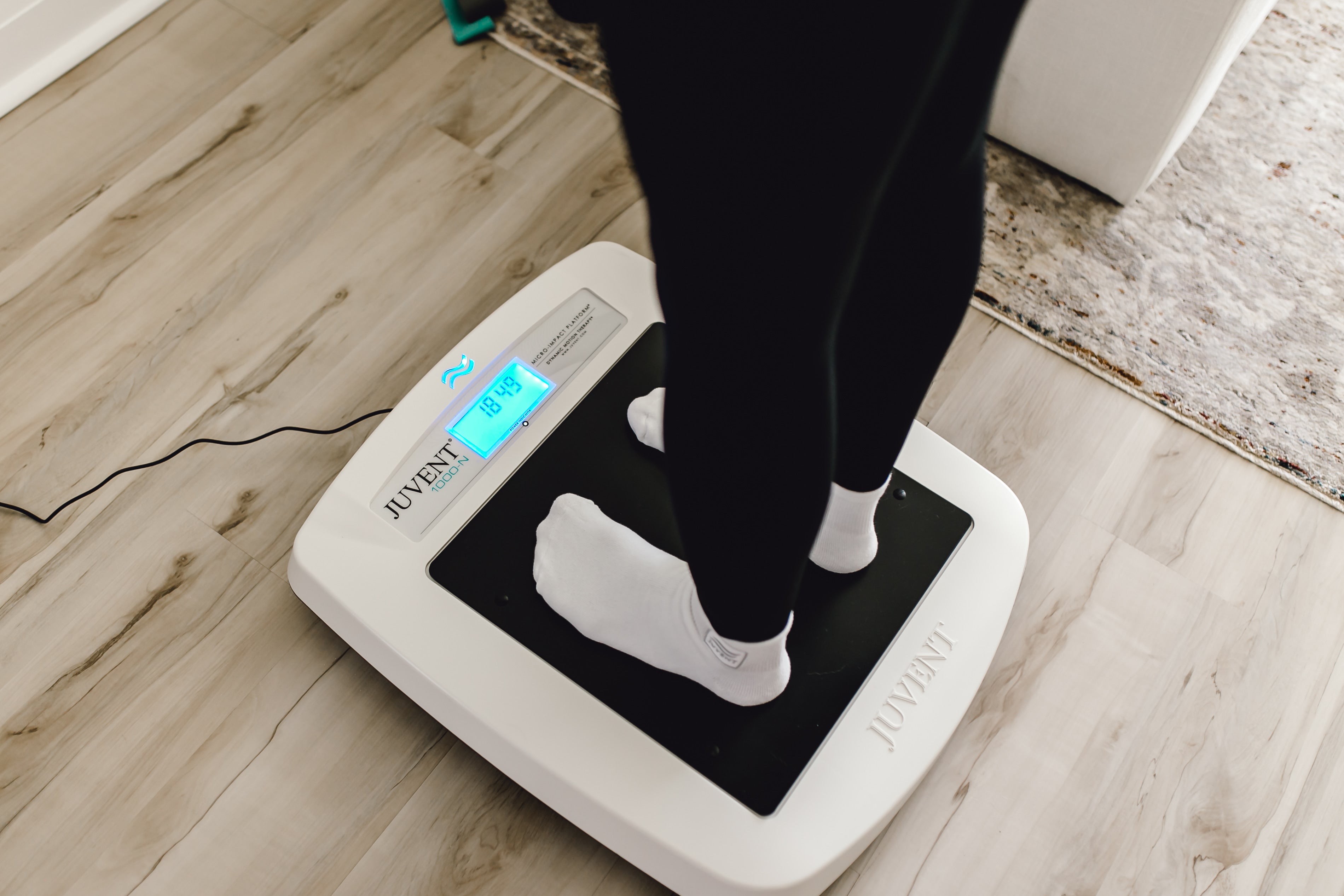
While walking and daily activity are ideal, they’re not always easy to maintain consistently, especially if you’re managing a busy schedule or you have limited mobility. This is where innovative tools designed to support low-impact movement can play a role.
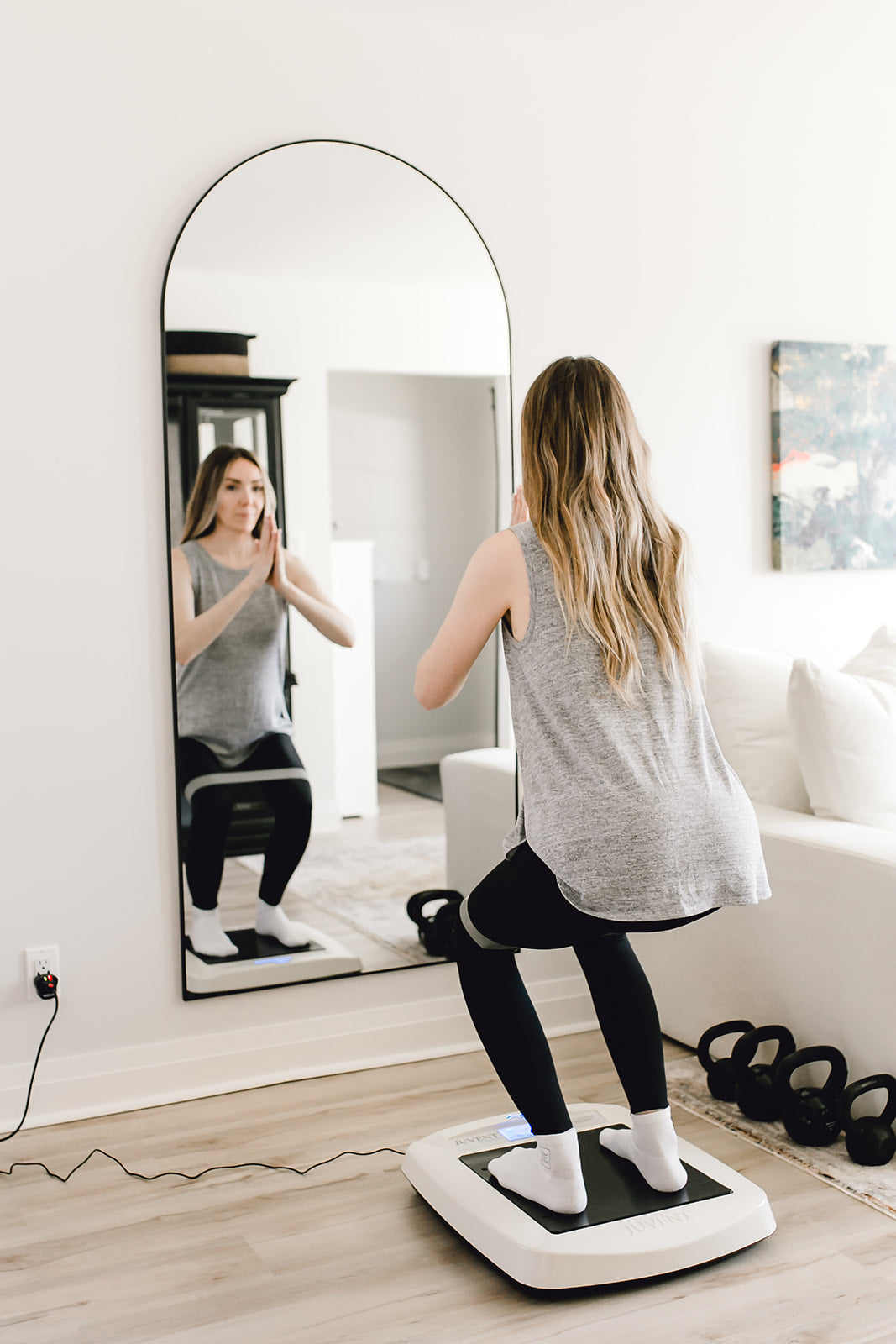
The Juvent Micro-Impact Platform® uses low-magnitude mechanical stimulation to introduce gentle, consistent motion into the body. These subtle micro-impacts create biomechanical signals similar to those experienced during natural movement, which contribute to good circulation and support overall physiological function.
This type of mechanical stimulation has been explored in research as a way to encourage digestive activity by activating local reflexes and supporting motility; mechanisms similar to those observed with walking.
For individuals looking to build more consistency into their routines, it offers a simple way to incorporate daily movement without strain.
An Accessible Approach to Digestive Comfort
Improving digestion isn’t about quick fixes. It’s about creating a system that your body can rely on.
By combining:
-
Structured eating habits
-
Adequate hydration
-
Microbiome support
-
Stress management
-
And consistent, low-impact movement
…you create an environment where the gut digestive system can function more efficiently and comfortably.
Learn more about the Juvent Micro-Impact Platform when you check out our FAQs page or get in touch with our consultants to learn about our new rental program for those who want to experience the technology firsthand before purchasing their platform.
FDA Disclosure
In the US, the Juvent device is considered investigational for the treatment of osteoporosis or improvement/maintenance of bone mineral density and our claims have not been reviewed or cleared by the FDA to treat any disease or condition. The JUVENT® Micro-Impact Platform® is Registered as a Class I medical device for exercise and rehabilitation.
Sources
- "Immediate Effect of Physical Activity on Gut Motility in Healthy Adults", Scientific Reports. [https://www.nature.com/articles/s41598-025-18860-8]
- Exercise for Bones, Royal Osteoporosis Society. [https://theros.org.uk/information-and-support/bone-health/exercise-for-bones/]
- Periodization: Current Review and Suggested Implementation for Athletic Rehabilitation, Sports Health. [https://pmc.ncbi.nlm.nih.gov/articles/PMC3438871/]
Get the latest insights and contents on all things bone and body health. Signup for our newsletter!
Share:
A Spring Reset Plan: Meals, Movement, and Mindfulness for Stronger Bones
Movement Matters: Why Gentle Daily Load-Bearing Supports Bone Strength