


It may not come as a big surprise that your skeleton, along with your muscles and your brain, work together to keep your body upright and steady. But did you know your bones also play a role in energy and movement? Yellow bone marrow stores fat, a chemical reserve for the body, while red marrow produces blood cells. Together, these activities make up bone marrow function. Bones also serve as a reservoir for calcium and phosphorus, which can be mobilized when needed to help maintain mineral balance throughout the body.
Bones also act as hard levers. Muscles attach to bones with tendons, so that when they pull on bones, your body moves. Your body’s joints let you walk, run, and bend.
Bones, however, have a “use it or lose it” quality. They are living, responsive tissue that adapts to the demands placed on them. Regular mechanical loading (whether it comes from walking, resistance exercise, or other weight-bearing activity) signals the body to maintain and strengthen bone. Without enough of that daily stimulus, bone can gradually lose mass and strength. Giving your skeleton appropriate mechanical load helps preserve the strong framework your muscles rely on for movement while supporting the ongoing remodeling that maintains bone strength. Healthy bones contribute to movement, stability, mineral regulation, and blood-cell production. In other words, keeping your bones engaged is an important part of keeping you moving, steady, and strong as you age.
What Role Do Bones Play in Movement?
Your musculoskeletal system is one of your body’s primary structural systems. It gives your body shape, protects your organs, stores minerals, and, through bone marrow, helps produce new blood cells. But another essential skeletal system function is enabling movement. Your joints, connective tissues, muscles, and bones work together every time you stand, reach, bend, or take a step.
The mechanics behind that movement are surprisingly elegant. Muscles are attached to bones by tendons. When a muscle contracts, it generates force that travels through the tendon and pulls on the bone. The bone acts as a rigid lever, while the joint acts as the pivot point that allows movement. Even something as simple as bending your elbow depends on this coordinated system of muscles contracting, tendons transferring force, and bones moving around the elbow joint.
Your bones are also constantly responding to those forces. Each time you walk, climb stairs, lift something, or perform resistance exercise, your skeleton experiences small amounts of mechanical strain. Bone cells detect that strain and help regulate bone remodeling, which is the ongoing process in which old or damaged bone tissue is broken down and replaced with new bone tissue. This ability to adapt to resistance is one reason regular physical activity is so important for maintaining bone strength as we age.
Strong bones provide a stable foundation for muscles and joints to work against. When bone strength, muscle strength, coordination, or joint function declines, movement becomes less efficient, and maintaining balance and stability becomes more challenging.
How Do Bones Respond to Mechanical Signals?
A review published in the Journal of Osteoporosis explains that osteocytes, cells embedded throughout bone tissue, act as the skeleton’s primary sensors of mechanical strain. When bones experience mechanical force, tiny shifts in fluid around these cells help trigger biological signals that regulate the activity of osteoblasts, which build bone, and osteoclasts, which break down old bone. This process allows bone to continually adapt to the demands placed on it.
Research also suggests that the mechanical signals bones respond to don’t necessarily have to come from strenuous exercise or high-impact activity. In experimental studies reviewed in the Journal of Osteoporosis, very small, high-frequency mechanical signals—comparable to those generated by muscles involved in maintaining posture—stimulated bone formation in animal models. The study also noted that brief, intermittent periods of mechanical stimulation may be more beneficial than prolonged exposure, an area that research into low-intensity vibration technology continues to explore.
How Does Juvent Support the Mechanical Signals Bones Need?
Energy, movement, and stability all come down to healthy bones. And healthy bones need constant stimulation. For people with mobility limitations or difficulty getting the recommended 150 minutes of exercise per week to support overall health, getting enough regular mechanical stimulation can be particularly challenging.
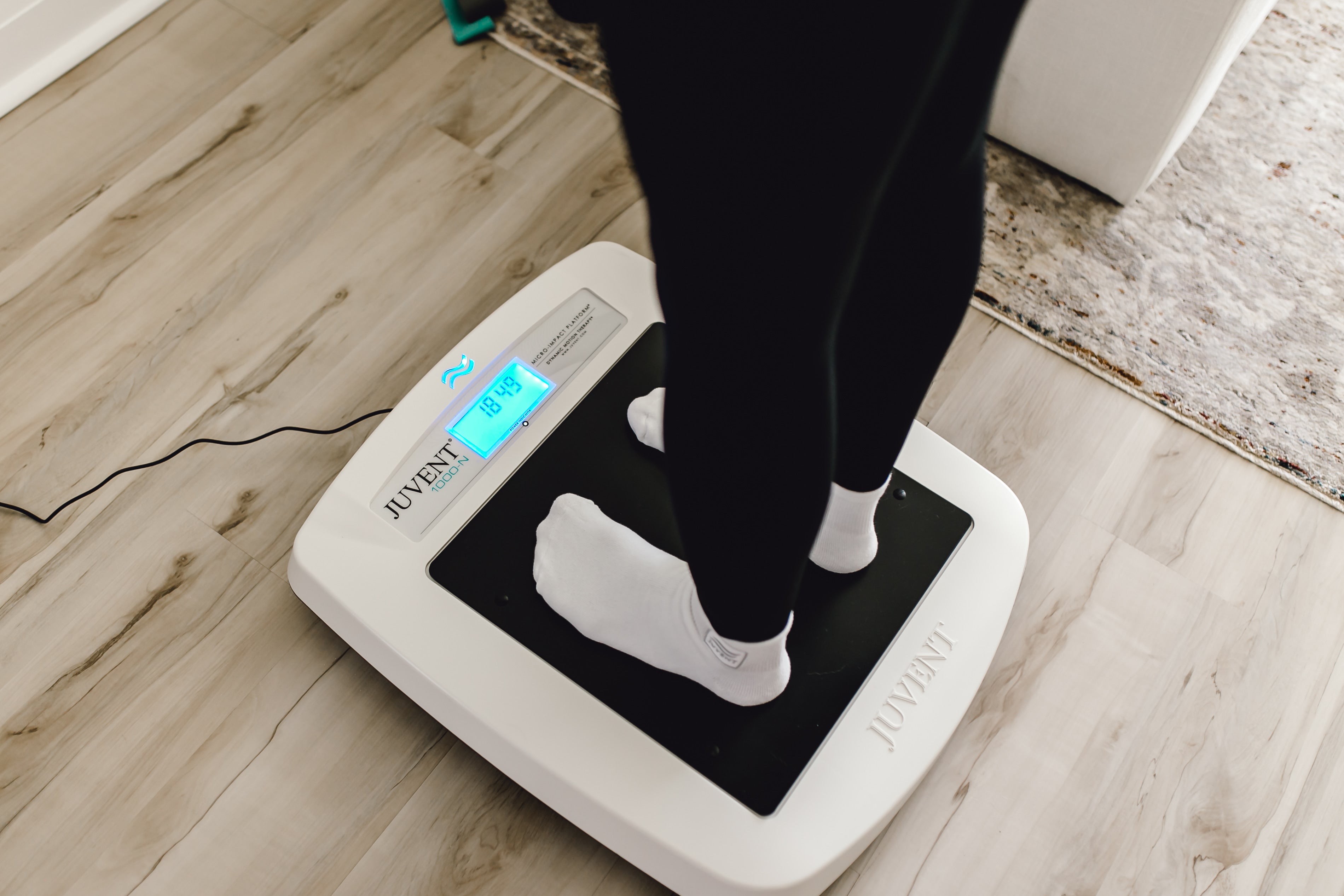
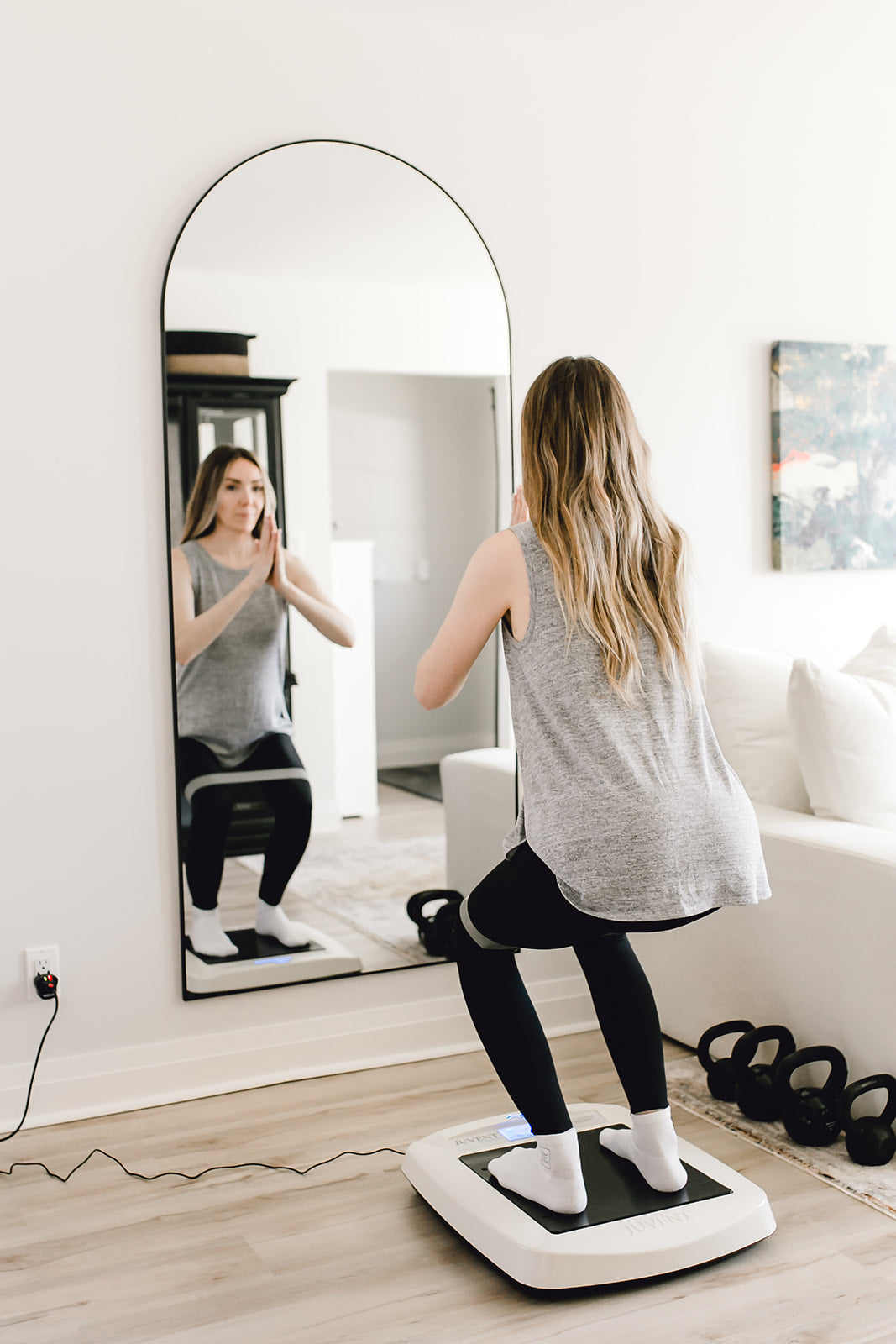
That’s where the Juvent Micro-Impact Platform® offers another way to engage the musculoskeletal system. Unlike conventional vibration therapy or a typical vibration plate for bone density that relies on vigorous whole-body movement, Juvent delivers gentle, low-magnitude mechanical signals through the feet and up through the skeleton. These signals mimic the small mechanical forces muscles naturally produce during everyday activity and are calibrated to the individual using the platform. This is not a replacement for exercise, but Juvent’s Micro-Impact technology does provide an additional source of mechanical stimulation that can complement a healthy lifestyle.
The many functions of bones extend far beyond simply holding us upright. Supporting bone health is part of supporting the connected musculoskeletal system that helps us stay active and independent and age powerfully.
Give your body the support it needs today so it can continue giving you what you need as you age.
Visit our FAQs page to learn more about the Juvent Micro-Impact Platform, or connect with us directly to learn how Juvent may fit into your daily routine.
FDA Disclosure
In the US, the Juvent device is considered investigational for the treatment of osteoporosis or improvement/maintenance of bone mineral density, and our claims have not been reviewed or cleared by the FDA to treat any disease or condition. The JUVENT® Micro-Impact Platform® is registered as a Class I medical device for exercise and rehabilitation.
Get the latest insights and contents on all things bone and body health. Signup for our newsletter!
Share:
Why Bone Health Is About More Than Preventing Fractures