

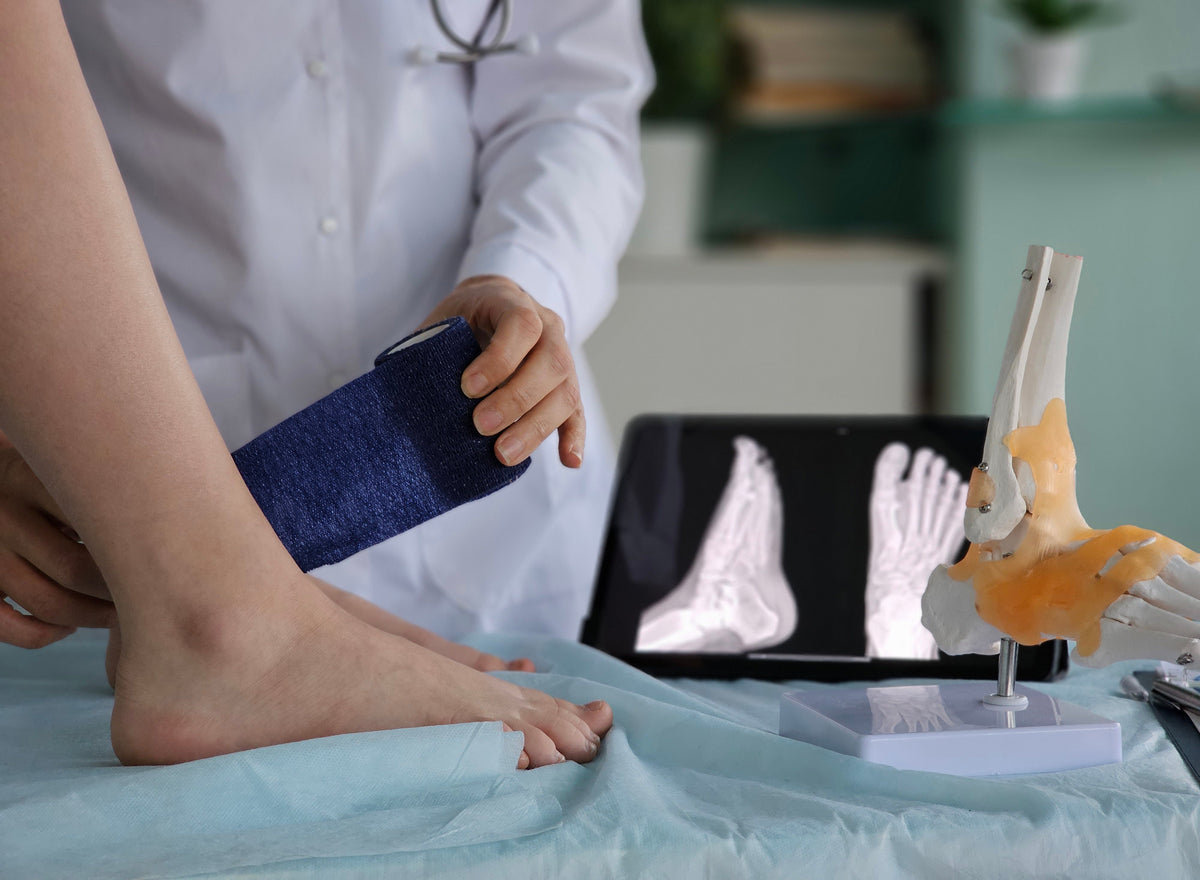
A sprain or break can disrupt your mobility, daily routines, and overall quality of life. While your body has an amazing ability to repair itself, especially your bones, there are ways to improve the process and strengthen tissues to reduce the risk of future injury. Understanding the bone healing process can help you recover more effectively and make informed decisions about supporting your skeletal health during and after an injury.
How Do Broken Bones Heal After a Break?
When a bone is fractured, whether it’s a partial crack or a complete break, the body immediately initiates a series of complex repair processes.
-
Inflammation & Hematoma Phase: Blood vessels in the injured area break, causing bleeding and swelling. This brings essential healing cells to the site during the first few days after injury.
-
Soft Callus Formation: Over the next few weeks, the body creates a soft, collagen-based callus around the break. This isn’t as strong as bone yet, but it bridges the gap.
-
Hard Callus Formation: Around a month after the injury, minerals like calcium and phosphorus are deposited into the callus, slowly turning it into hard bone. This could take up to a few months.
-
Remodeling: Over time, the bone reshapes itself to return to its original strength and structure. This can take months or even years, depending on the type of break, health factors, and
How Long Does a Broken Bone Take to Heal?
Initial healing to close the gap after a break can take approximately 6-8 weeks for most fractures, although complex breaks or underlying health issues may extend this timeline. True healing, where the bone has finished strengthening and remodeling its shape, can take a year or more. If the fracture requires surgical repair, the timeline and healing process can be even longer.
Sprains vs. Breaks
Sprains are injuries to ligaments, which are a type of tissue that connect bones for structure and stability. Ligaments are an entirely different type of tissue, and they heal differently. While ligaments don’t regenerate like bone, they can repair with rest, physical therapy, and proper support. Do broken bones heal faster than sprains? Sometimes they do, depending on the severity of the sprain, because bones have a stronger blood supply than ligaments. There’s a common phrase about ligament injuries often being worse than a broken bone, and that’s due to differences in the healing process.
Support Healing Bones With Better Supplements
In addition to proper medical care, nutrition is a cornerstone of healing the skeleton. Adequate protein, calcium, vitamin D, magnesium, and vitamin K2 are crucial for rebuilding bone tissue. Juvent’s HydroxyBMD3™ supplement was created to harness key nutrients needed for strong bones in forms that the body can use effectively. Taken daily, HydroxyBMD3™ delivers the targeted nutrients your bones need to rebuild strong and healthy after an injury:
-
Microcrystalline Hydroxyapatite (MCHA): Provides a bioavailable form of calcium and phosphorus that closely mirrors natural bone composition, supporting the mineralization phase of healing.
-
VitaCholine®: Supports cellular membrane health and metabolism, which is vital during tissue repair.
-
K2VITAL® Vitamin K2: Helps direct calcium into the bones where it’s needed, rather than letting it accumulate in soft tissues.
-
Albion® Minerals: Highly bioavailable forms of magnesium and other essential minerals for bone strength.
Making an Impact on Bone Healing Through Technology
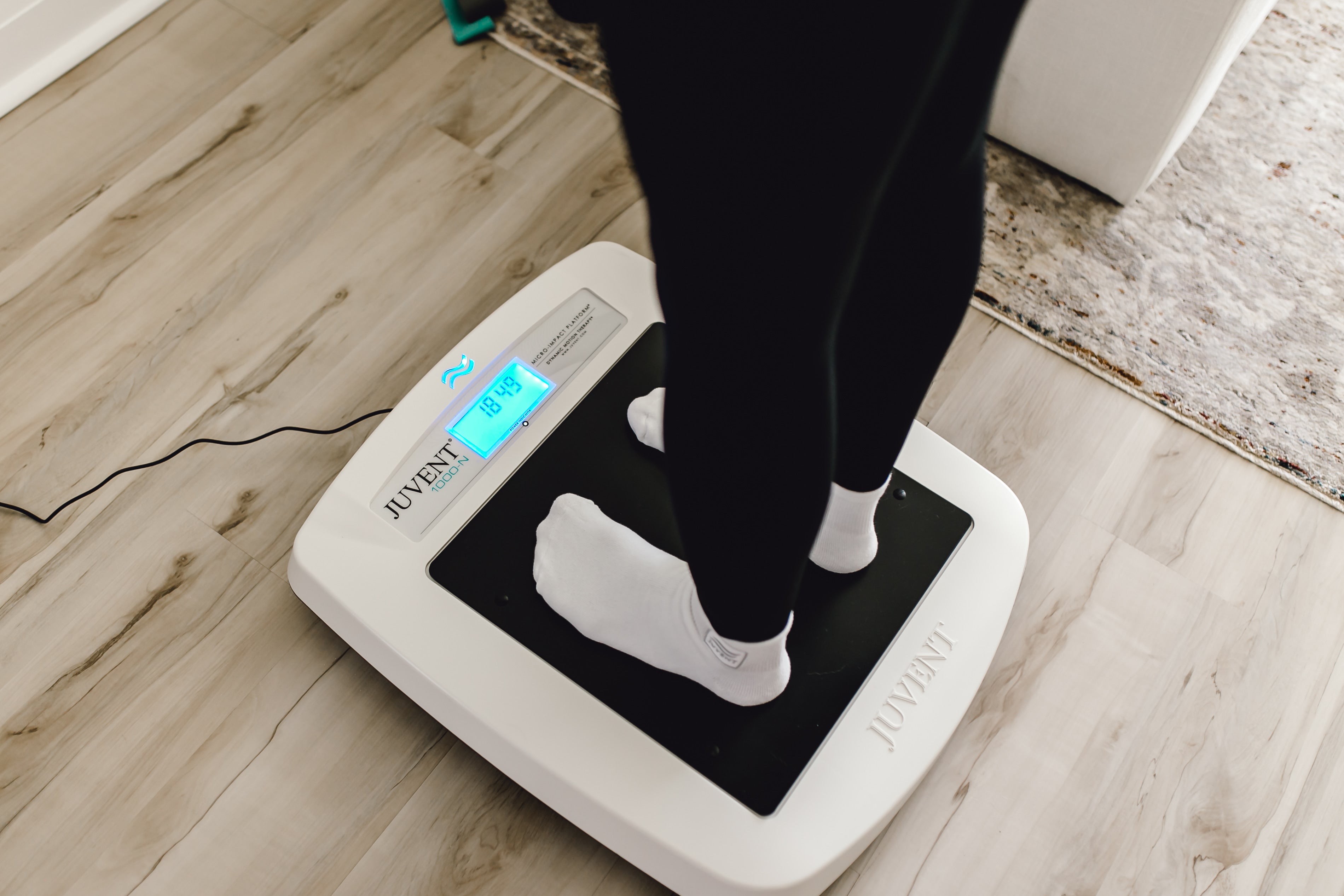
How do broken bones heal beyond our nutritional efforts? Once cleared by your doctor, gentle, weight-bearing activity stimulates bone remodeling. Finding a gentle way to introduce impact is where Juvent’s Micro-Impact Platform® shines. It utilizes safe, low-magnitude mechanical stimulation to mimic the natural impact of walking, thereby helping to improve circulation, maintain bone density, and encourage healthy musculoskeletal function without strain. In a 2014 study by Chung et al., showed that low-magnitude high-frequency stimulation demonstrated significantly better bone healing when used. The Micro-Impact Platform is a valuable complement to nutritional strategies like HydroxyBMD3, while remaining gentle.
Healing broken bones doesn’t stop when the pain goes away. Even after a fracture feels better, your bones continue remodeling for months. Pairing Juvent’s Micro-Impact Platform with HydroxyBMD3 can help keep your skeletal system strong, resilient, and ready for whatever life throws at it. You’re not just recovering, but coming back stronger with Juvent’s science-backed approach.
FDA Disclosure
In the US, the Juvent device is considered investigational for the treatment of osteoporosis or improvement/maintenance of bone mineral density and our claims have not been reviewed or cleared by the FDA to treat any disease or condition. The JUVENT® Micro-Impact Platform® is Registered as a Class I medical device for exercise and rehabilitation.
These statements have not been evaluated by the U.S. Food and Drug Administration. These products are not intended to diagnose, treat, cure, or prevent any disease.
Sources:
-
https://www.ncbi.nlm.nih.gov/books/NBK551678/
-
https://info.juvent.com/hydroxybmd/
-
https://pubmed.ncbi.nlm.nih.gov/25131218/
These statements have not been evaluated by the U.S. Food and Drug Administration. These products are not intended to diagnose, treat, cure, or prevent any disease.

Get the latest insights and contents on all things bone and body health. Signup for our newsletter!
Share:
Inflammation Triggers You Might Be Overlooking
The Wellness Pyramid: Hydration, Movement, and Micronutrients