


For people diagnosed with neuropathy, the condition can feel confusing and frustrating. Initial symptoms may be subtle, such as tingling in the toes or fingers, but as they progress, numbness may be replaced by burning pain, muscle weakness, and increased sensitivity to touch. Because nerve damage affects how signals travel between the brain and body, everyday activities like walking, gripping objects, or maintaining balance can become more difficult.
What Is Neuropathy?
Understanding neuropathy is an important first step toward effectively managing it. Neuropathy is an umbrella term for damage to the peripheral nervous system. These nerves transmit signals that control sensation, movement, and even certain automatic functions, such as circulation. It is rarely a standalone condition but instead the manifestation of underlying causes or diseases, such as infections, diabetes, or autoimmune disorders.
While nerve damage can’t always be completely repaired or reversed, modern care focuses on reducing symptoms, supporting nerve health, and addressing the underlying factors that may be contributing to the condition.
What Helps: Proven Treatments and Management Strategies
When patients ask how to treat neuropathy, most healthcare providers recommend a combination of medical treatment, lifestyle adjustments, and supportive therapies.
The most important step is addressing the underlying condition causing damage to the nerves. Diabetes is one of the most common causes, so maintaining stable blood sugar levels is critical. Other underlying factors can include vitamin deficiencies, autoimmune diseases, infections, or exposure to toxins. Correcting these issues can help slow or prevent further nerve damage.
Medications are often prescribed to help manage nerve pain. Anti-seizure medications such as gabapentin and pregabalin are commonly used to calm overactive nerve signals. Certain antidepressants, including duloxetine and amitriptyline, are also effective in treating nerve-related pain. For more localized discomfort, topical treatments such as lidocaine patches or capsaicin creams may provide targeted relief.
Therapies can also improve quality of life. Physical therapy helps strengthen muscles, improve mobility, and support balance. Occupational therapy can help individuals adapt daily activities to reduce strain on affected nerves. Some patients benefit from transcutaneous electrical nerve stimulation (TENS), which uses low-voltage electrical signals to interrupt pain signals.
Lifestyle changes also play an important role. Regular low-impact exercise, such as swimming, cycling, or walking, can improve circulation and support nerve health. These activities deliver essential oxygen and nutrients to damaged nerves, strengthen muscles, and help manage blood sugar levels without putting excess strain on sensitive joints.
Quitting smoking, maintaining a balanced diet, avoiding alcohol, and practicing careful foot care can also help prevent complications.
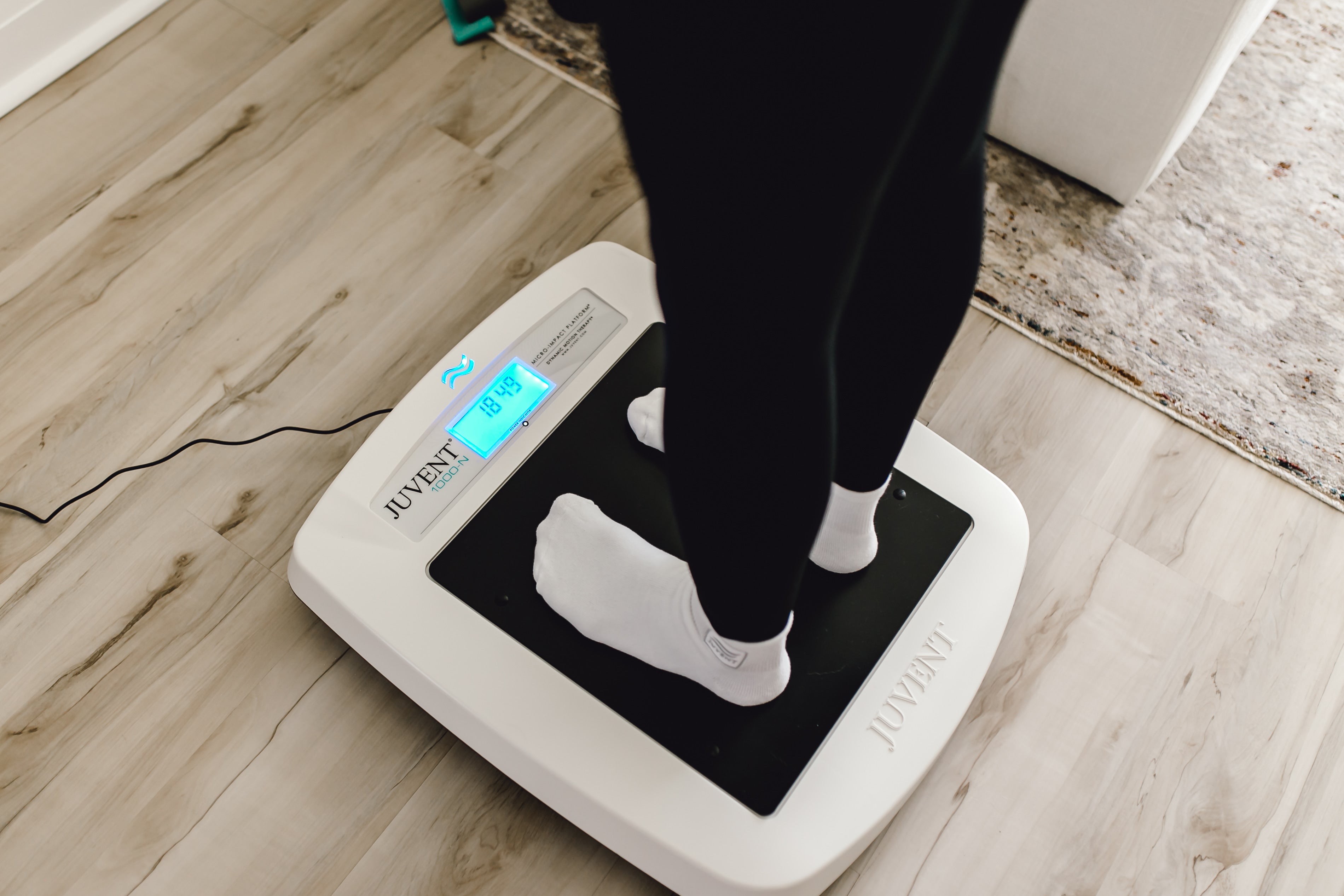
In addition, supportive technologies may offer symptom relief. The Juvent Micro-Impact Platform® has been clinically studied for its ability to support bone health, reduce joint pain, and enhance musculoskeletal function. Using patented low-magnitude mechanical stimulation (LMMS), the platform delivers controlled micro-impacts that gently activate muscles, bones, and peripheral nerves.
These rhythmic mechanical pulses mimic muscle contractions during exercise and may help improve circulation in the limbs. For individuals looking for non-invasive approaches to managing symptoms, this type of movement-based therapy offers a convenient, at-home option that can be incorporated into daily routines. If you're exploring this option, you can read about a micro-impact platform for neuropathy, including safety considerations and how it differs from conventional vibration plates.
What Doesn’t Work for Neuropathy (And What to Avoid)
Equally important to managing neuropathy is understanding what causes neuropathy symptoms to worsen. Certain behaviors and habits can accelerate nerve damage or intensify discomfort.
One of the most common mistakes is ignoring early warning signs. When symptoms like tingling or numbness first appear, addressing the underlying cause early can help prevent more severe nerve damage later.
Excessive alcohol consumption is another major risk factor. Alcohol can directly damage nerve tissue and interfere with the body’s ability to repair nerves. Smoking also contributes to worsening symptoms by restricting blood flow, which deprives nerves of oxygen and nutrients needed for recovery.
Poorly controlled blood sugar levels are another significant contributor, even in individuals with prediabetes. Elevated glucose levels damage blood vessels that nourish nerves, increasing pain and numbness.
Certain physical activities can also aggravate symptoms. High-impact exercises such as running or jumping may worsen foot pain and increase the risk of injury. Low-impact forms of movement are generally recommended instead.
What’s Emerging in Neuropathy Care
Research into nerve health is evolving rapidly, driven by a high volume of scientific publications, new technologies, and a growing understanding of peripheral nerve repair.
One important area of development is neuromodulation. Advanced spinal cord stimulation (SCS) technologies are now being used to deliver targeted electrical signals to alter how pain signals are transmitted to the brain. New approaches, including burst stimulation, are showing promising results for patients who do not respond to medication.
Another area gaining attention is regenerative medicine. Scientists are investigating whether stem cell therapy may help stimulate nerve repair and restore damaged tissues. While these treatments are still under study, early findings suggest they may play a role in future therapies.
As research continues to advance, many patients ask, "Can neuropathy be reversed?” When the underlying cause is addressed early, nerve function can improve over time. Even when full reversal is not possible, modern therapies can significantly reduce symptoms and improve daily comfort.
How the Juvent Micro-Impact Platform Can Help
The Juvent was designed to improve circulation, bone health, and balance for people with mobility issues, including neuropathy. The platform’s micro-vibrations help enhance proprioception (the body’s awareness of its position), which can be impaired in patients with neuropathy. Many users report eased joint, knee, and back pain from incorporating the Juvent into their overall wellness plan.
Learn more about the Juvent Micro-Impact Platform on our FAQs page, or get in touch for information on incorporating a low-impact vibration plate into your daily routine. Ask about our new rental option, designed for those who want to try the Juvent before they buy. We look forward to helping you manage your neuropathy symptoms so you can enjoy a more comfortable and active life.
FDA Disclosure
In the US, the Juvent device is considered investigational for the treatment of osteoporosis or improvement/maintenance of bone mineral density and our claims have not been reviewed or cleared by the FDA to treat any disease or condition. The JUVENT® Micro-Impact Platform® is Registered as a Class I medical device for exercise and rehabilitation.
Sources
- Title: "Transcutaneous Electrical Nerve Stimulation (TENS) for Chronic Pain: An Overview of Cochrane Reviews", Cochrane Database of Systematic Reviews. [https://pmc.ncbi.nlm.nih.gov/articles/PMC6426434/]

Get the latest insights and contents on all things bone and body health. Signup for our newsletter!
Share:
Why Try Juvent? 5 Reasons to Test Micro-Impact Therapy at Home
Why Sedentary Days Lead to Slower Digestion—And Small Ways to Keep Things Moving